Blog Article
What to Consider Before Buying a Bow Sight: 12 Essential Factors.
What to Consider Before Buying a Bow Sight: 12 Essential Factors
Shopping for a new bow sight? Understand the different sight types, pin configurations, adjustment systems, mounting requirements and product features before choosing equipment for your compound bow.
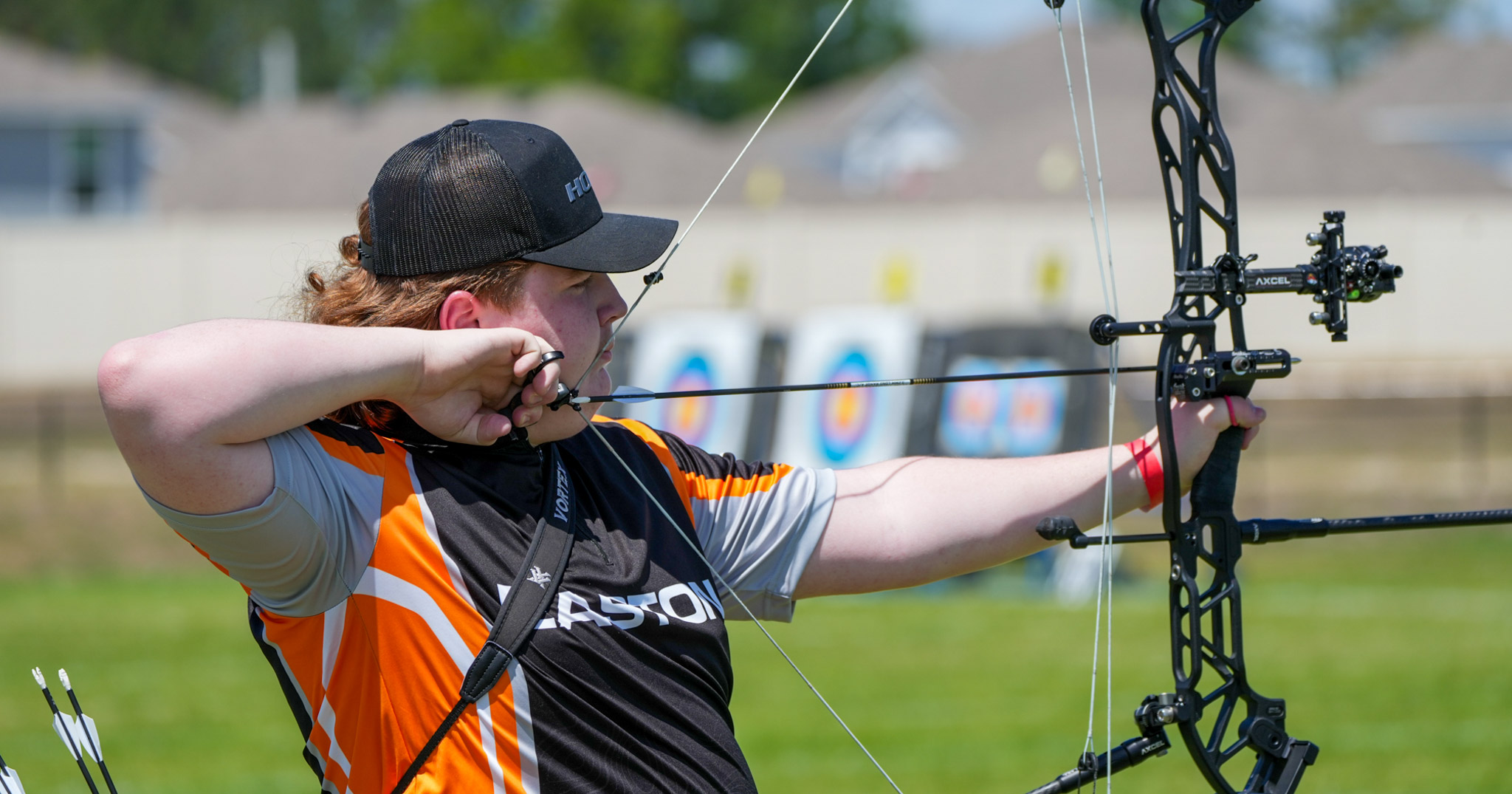
Choosing a bow sight is an important decision when building or upgrading a compound bow setup. With different pin configurations, adjustment systems, housing designs and mounting options available, comparing products can quickly become confusing.
The right choice is not necessarily the sight with the most features or the highest price. It is the model that fits your bow, matches your shooting preferences and provides the features you can use confidently.
This buying guide explains 12 important factors to consider before purchasing a bow sight, helping you compare available options more carefully.
1. Identify the Type of Bow Sight You Need
Start by understanding the main sight configurations available. Each design provides a different way to establish aiming references.
Single-pin bow sights
Single-pin sights use one primary aiming reference. Some models include an adjustable slider that allows the pin to be repositioned for different known distances.
Multi-pin bow sights
Multi-pin sights provide several aiming references within one housing. Common configurations include three-pin and five-pin designs, although other arrangements are available.
Slider bow sights
Slider sights use a movable aiming reference and an adjustment system. Many include a bar, dial, locking mechanism or distance scale.
2. Consider Your Intended Use
Think about how you plan to use the bow. A sight suitable for one type of archery may not provide the features another archer wants.
Target archery
Consider repeatable adjustments, sight stability, mounting compatibility and the equipment rules of your intended discipline.
Bow hunting
Consider visibility, construction, ease of operation and the ability to practice confidently with the selected sight. Check the hunting regulations that apply to your location and any illumination features.
Recreational archery
For general practice, prioritize a sight that is easy to understand, compatible with your bow and appropriate for your experience level.
3. Choose the Right Pin Configuration
Pin configuration affects how aiming references appear within the sight housing.
| Configuration | Design | What to Consider |
|---|---|---|
| Single-pin | One primary aiming reference | Whether you prefer an adjustable aiming point |
| Three-pin | Three aiming references | Pin spacing and your preferred sight picture |
| Five-pin | Five aiming references | Whether several established references suit your needs |
| Other multi-pin layouts | Alternative pin arrangements | Housing layout and visibility |
More pins do not automatically mean better performance. Consider the configuration you can see clearly and use consistently.
4. Check Pin Visibility and Diameter
Pin visibility is a practical consideration when comparing bow sights. Different models use different pin sizes, materials and designs.
Consider the following:
- Whether the pin is easy for you to see.
- Whether its size suits your visual preferences.
- Whether the sight uses fiber-optic material.
- Whether manufacturer-approved illumination is available.
- Whether the visibility features comply with applicable rules.
Where possible, examine the sight in person or review reliable product images and specifications before purchasing.
5. Compare Sight Housing Size and Design
The housing supports the aiming components and affects the appearance of the sight picture.
Compare housing dimensions, shape, material and overall layout. Consider whether the housing works comfortably with your normal shooting position and whether it provides enough space for the pin arrangement you prefer.
Do not assume that every housing size or scope accessory is compatible with every sight. Check the manufacturer’s documentation.
6. Understand Windage and Elevation Adjustments
Windage and elevation are two common adjustment features.
- Windage: Horizontal positioning of the sight.
- Elevation: Vertical positioning of the sight.
Compare how each model handles these adjustments. Look for clear markings and controls that you can understand. The actual procedure and direction of movement depend on the manufacturer’s design.
7. Review Slider and Distance Adjustment Features
If you are considering an adjustable sight, examine the mechanism carefully.
Important features include:
- Adjustment range.
- Movement control and ease of operation.
- Locking mechanism.
- Distance markings or sight tape compatibility.
- Repeatability of established settings.
Distance scales must be calibrated for the individual bow and arrow setup. Do not assume that a generic sight tape will work accurately for every archer.
Read our guide: What Are Slider Bow Sights and How Do They Work?
8. Confirm Mounting Compatibility
Compatibility should be checked before placing an order. A sight must attach securely to the bow and allow suitable positioning.
Review:
- The manufacturer’s mounting specifications.
- Your bow’s mounting arrangement.
- Included mounting hardware.
- Available clearance around other accessories.
- Installation instructions.
If you are uncertain, contact the manufacturer or a qualified archery technician before purchasing.
9. Compare Materials and Construction
Bow sights use different materials and construction methods. Review the product information rather than assuming all models have the same durability or weight.
Aluminum components
Some sights use aluminum components. Check the manufacturer’s description for the exact construction and finish.
Carbon components
Some designs incorporate carbon components. Review the specific product specifications to understand which parts use these materials.
Moving components and hardware
Adjustment knobs, brackets and fasteners should be inspected regularly. Consider the manufacturer’s maintenance instructions and availability of replacement components.
10. Consider Weight and Overall Setup
Weight may be one factor in your equipment decision, particularly if you are comparing several complete sight systems.
Check the manufacturer’s stated weight and consider the sight alongside your other bow accessories. Avoid assuming that a lighter model is automatically better. Compatibility, construction, adjustment features and personal preferences are equally important considerations.
11. Check Included Accessories and Product Specifications
Product listings may describe additional components, accessories or optional upgrades. Before purchasing, confirm exactly what is included in the package.
Check whether the product includes:
- Mounting hardware.
- Illumination accessories, if applicable.
- Scope or lens components, if applicable.
- Distance scales or sight tapes, if applicable.
- Installation or adjustment instructions.
- Manufacturer warranty information.
Some accessories may be sold separately. Read the complete product description and manufacturer’s documentation to avoid assuming that an optional component is included.
12. Set a Budget and Compare Overall Value
Set a realistic budget before comparing products. Consider the features you need rather than paying extra for options you may not use.
When comparing prices, also review:
- Product specifications and included components.
- Compatibility with your bow.
- Warranty and support information.
- Availability of replacement parts.
- Shipping costs and applicable return conditions.
A suitable bow sight is one that meets your requirements and fits your overall equipment budget.
Bow Sight Buying Checklist
Use this checklist before completing your purchase.
- Identify whether you want a single-pin, multi-pin or slider sight.
- Confirm that the sight suits your intended archery use.
- Compare pin configuration and visibility.
- Review housing dimensions and design.
- Understand windage and elevation adjustments.
- Check slider and distance adjustment features, if applicable.
- Confirm mounting compatibility.
- Review materials and construction.
- Compare product weight and overall setup.
- Check exactly which accessories are included.
- Review warranty and manufacturer support information.
- Compare the total cost before ordering.
Explore Bow Sight Options at Bowsight Inc.
Once you understand the features that matter to your setup, compare available products and review their individual specifications.
Axcel AccuTouch Carbon Pro
Explore this adjustable slider sight and review its configuration, product details and compatibility.
HHA Tetra Max Sight
Review the product listing and compare its features with other adjustable bow sight options.
HHA Optimizer Lite X
Explore this sight option and check the product listing for its specifications and included components.
Apex Gear Magnitude 5-Pin
Compare this five-pin configuration with single-pin and slider sight systems.
Frequently Asked Questions
What should I look for when buying a bow sight?
Consider sight type, pin configuration, visibility, housing design, adjustment systems, mounting compatibility, construction, included accessories and overall cost.
Are single-pin or multi-pin bow sights better?
Neither is universally better. Single-pin sights offer one primary aiming reference, while multi-pin sights provide several. Choose the configuration that suits your preferences and intended use.
How many pins should a hunting bow sight have?
Common options include three-pin and five-pin sights. The appropriate choice depends on the archer’s preferences, sight picture and ability to use the established aiming references consistently.
Are adjustable slider bow sights worth considering?
They may be suitable for archers who prefer one movable aiming reference and repeatable distance settings. Consider the adjustment mechanism and calibration requirements before choosing one.
How do I know if a bow sight fits my bow?
Compare the sight manufacturer’s mounting specifications with your bow’s mounting arrangement. Ask a qualified archery technician if you are unsure.
Does a more expensive bow sight mean better accuracy?
Not automatically. Accuracy depends on equipment setup, shooting form, sight calibration and practice. Compare the actual features and compatibility rather than price alone.
Should I buy a bow sight with an illuminated pin?
Illumination may be useful for some users, but availability, compatibility and regulations vary. Review the manufacturer’s specifications and check applicable hunting or competition rules.
Independent Archery Education Resources
For additional information about archery training, equipment and organized competition, visit these independent organizations:
- USA Archery – Archery education and training resources.
- World Archery – International archery information and competition resources.
- International Field Archery Association – Coaching and educational resources.
- USA Archery Bow Tuning Guide – Educational material about compound and recurve bow tuning.
Find Your Next Bow Sight at Bowsight Inc.
Compare compound bow sights, single-pin configurations, multi-pin systems and adjustable slider options. Review product information and choose equipment that matches your requirements.
Shop All Bow Sights Contact Bowsight Inc.Final thoughts: Buying a bow sight becomes easier when you understand the features behind each design. Compare pin configurations, visibility, adjustment systems, mounting compatibility, construction and included accessories. Take time to select a sight that suits your bow and the way you practice.
