
Blog Article
Understanding Compound Bow Sight Features: A Complete Guide.
Understanding Compound Bow Sight Features: A Complete Guide
Explore the essential components and features of compound bow sights. Learn about pin configurations, sight housings, adjustment systems, mounting options and what to compare before choosing your next bow sight.
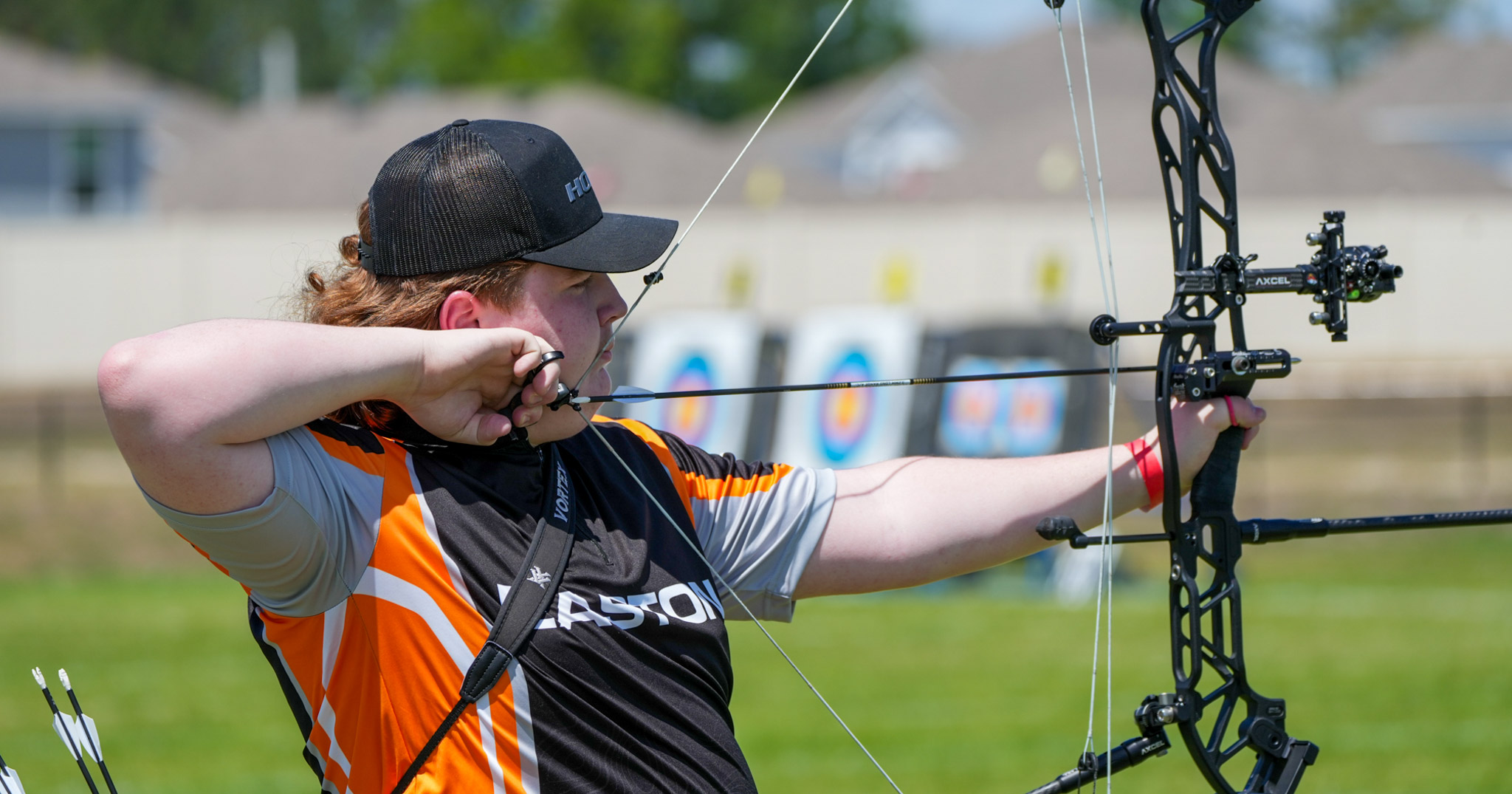
A compound bow sight is more than a collection of aiming pins and adjustment knobs. Its design combines several components that help an archer establish aiming references, adjust for different distances and position the sight correctly on the bow.
When comparing bow sights, it is important to understand what each feature does and how it affects the overall setup. Pin configuration, housing size, adjustment range, mounting compatibility and construction can all influence which model is appropriate for a particular archer.
This guide explains the most common compound bow sight features and provides a practical framework for comparing different designs.
1. What Is a Compound Bow Sight?
A compound bow sight is an aiming accessory mounted to a compound bow. It provides one or more visual references that an archer uses when aiming at a target.
Depending on the model, a sight may include fixed pins, an adjustable single pin, a movable slider assembly, a sight housing, a mounting bracket and additional adjustment features.
Bow sights are available in different configurations for target archery, recreational shooting and hunting-oriented setups. The most suitable design depends on the archer’s preferences, equipment and intended use.
2. Understanding Bow Sight Pins
The pin is one of the most recognizable parts of a compound bow sight. It provides the aiming reference within the sight housing.
Single-pin configuration
A single-pin sight uses one primary aiming reference. Some models allow the pin to move vertically through an adjustable slider system. The archer can establish different distance settings according to the manufacturer’s instructions.
Multi-pin configuration
A multi-pin sight includes several aiming references. Common configurations include three-pin and five-pin arrangements, although designs vary. Each pin is generally sighted for a selected distance.
Pin diameter
Pin diameter affects the appearance of the aiming reference. Different sizes may provide different visual experiences, so consider visibility and personal preference when comparing products.
Fiber-optic pins
Some bow sights use fiber-optic material to collect available light and make the aiming reference more visible. The design and performance of these systems vary between manufacturers and models.
3. Sight Housing and Scope Design
The sight housing surrounds or supports the aiming reference. Its size and design influence the appearance of the sight picture.
Housing size
Housing dimensions vary between models. Compare the manufacturer’s stated measurements and consider how the housing looks when viewed through your normal shooting position.
Housing construction
Materials and construction methods differ. Review product specifications for the housing material, finish and mounting design rather than assuming all sights use the same construction.
Scope and lens compatibility
Some sight systems are designed to accommodate additional scope or lens components. Check the product documentation carefully to determine which accessories are compatible and whether they are included.
4. Windage and Elevation Adjustments
Windage and elevation are fundamental adjustment concepts found in many bow sight systems.
Windage
Windage refers to horizontal positioning. It allows the sight to be adjusted left or right according to the manufacturer’s instructions and the observed shooting results.
Elevation
Elevation refers to vertical positioning. It allows the sight to be adjusted up or down to establish the appropriate aiming reference.
Adjustment mechanisms differ between models. Read the specific sight manual to understand how its markings and controls operate. Avoid assuming that adjustment directions are identical across manufacturers.
5. Understanding Slider and Adjustable Sight Systems
Adjustable bow sights allow the archer to move an aiming reference to different positions. Many designs use a vertical bar, adjustment knob, locking mechanism or marked distance scale.
Adjustment bar
The bar provides the track along which the movable sight assembly travels. Its design influences the available adjustment range.
Adjustment knob or lever
This component controls movement of the sight assembly. Compare its design and ease of operation before choosing a model.
Locking mechanism
A locking feature helps secure the selected position. Review how it operates and follow the manufacturer’s instructions for use.
Sight tape or distance scale
Some adjustable sights use a sight tape or marked scale to help the archer return to established distance settings. These markings must be calibrated for the individual bow and arrow setup.
Read more in our guide: What Are Slider Bow Sights and How Do They Work?
6. Mounting Brackets and Bow Compatibility
The mounting bracket connects the sight to the compound bow. Compatibility is essential because the sight must be installed securely and positioned correctly.
Before purchasing, review:
- The sight’s mounting system.
- The bow’s mounting arrangement.
- Available mounting hardware.
- Clearance around the bow and other accessories.
- The manufacturer’s installation instructions.
- Whether professional installation is recommended.
Never force a sight onto an incompatible mounting point or modify equipment without appropriate guidance. If you are unsure about compatibility, consult the manufacturer or a qualified archery technician.
7. Sight Construction, Materials and Durability
Bow sights are produced using different materials and construction methods. These differences can affect weight, finish, maintenance requirements and overall product design.
Aluminum construction
Some sights use aluminum components. Review the specific product specifications to understand the construction and finish.
Carbon components
Some models incorporate carbon components as part of their design. Check the manufacturer’s documentation for the exact materials and construction details.
Fasteners and moving parts
Adjustment knobs, mounting screws and locking components should be inspected regularly. Follow the manufacturer’s maintenance recommendations and seek professional help if parts become loose or damaged.
8. Illumination and Pin Visibility Features
Visibility is an important consideration when comparing bow sight designs. Some models include illumination options or are compatible with additional manufacturer-approved lighting accessories.
Before selecting an illuminated system, consider:
- Whether illumination is included or sold separately.
- Which power source the system uses.
- Whether brightness settings are adjustable.
- Whether the accessory is compatible with the exact sight model.
- Applicable competition and hunting regulations.
Do not assume that every illuminated sight is permitted in every competition or hunting jurisdiction. Check the rules that apply to your intended use.
9. Comparing Important Bow Sight Features
The following table provides a quick reference for evaluating the main features found across different bow sight designs.
| Feature | Purpose | What to Compare |
|---|---|---|
| Pin configuration | Provides aiming references | Single-pin or multi-pin design |
| Pin diameter | Determines the visual size of the aiming reference | Visibility and personal preference |
| Housing | Supports and surrounds sight components | Size, design and construction |
| Windage adjustment | Horizontal positioning | Adjustment mechanism and markings |
| Elevation adjustment | Vertical positioning | Adjustment range and operation |
| Slider system | Moves an aiming reference | Adjustment range, scale and locking system |
| Mounting bracket | Attaches the sight to the bow | Compatibility and installation |
| Illumination | Provides an illuminated aiming reference | Compatibility, power and regulations |
| Construction | Determines materials and product design | Manufacturer specifications and maintenance |
10. How to Choose Features That Match Your Needs
Rather than selecting a sight because it has the most features, consider which components you will actually use.
For archers who prefer one aiming reference
Consider a single-pin or adjustable slider design. Compare the adjustment system, scale and pin visibility.
For archers who prefer multiple aiming references
Compare multi-pin sights and review the available pin arrangements, housing design and adjustment options.
For target-oriented setups
Consider sight stability, repeatable adjustments, compatibility with the bow and the equipment rules of your intended discipline.
For hunting-oriented setups
Consider visibility, construction, ease of operation and the ability to practice confidently with the selected sight. Check applicable regulations for any illumination features.
11. Bow Sight Products at Bowsight Inc.
Bowsight Inc. offers a selection of bow sight options for archers comparing adjustable systems and different pin configurations. Review each product listing for its current specifications and included components.
Axcel AccuTouch Carbon Pro
Explore this adjustable slider sight and review its manufacturer specifications, configuration and compatibility.
HHA Tetra Max Sight
Review this product listing and compare its design with other adjustable sight options.
HHA Optimizer Lite X
Explore this HHA sight option and review its specifications and compatibility details.
Apex Gear Magnitude 5-Pin
Compare this five-pin sight with single-pin and adjustable slider configurations.
12. Common Bow Sight Buying Mistakes
Focusing only on price
Price is important, but compatibility, adjustment features, construction and ease of use should also be considered.
Ignoring the mounting system
A sight that does not fit the bow’s mounting arrangement is not a suitable purchase. Confirm compatibility before ordering.
Assuming all adjustment systems are the same
Different models use different controls and markings. Read the product documentation before selecting or operating an unfamiliar sight.
Overlooking maintenance
Moving components and mounting hardware should be inspected regularly. Follow the manufacturer’s care instructions.
Choosing features without considering personal needs
More pins, additional adjustment options or illumination do not automatically make a sight better for every archer. Select features that match your intended use.
13. Frequently Asked Questions
What are the most important features of a compound bow sight?
Important features include pin configuration, pin visibility, sight housing, windage and elevation adjustments, mounting compatibility, construction and any adjustable slider system.
What is the difference between a single-pin and multi-pin sight?
A single-pin sight has one primary aiming reference, while a multi-pin sight has several. Adjustable single-pin designs may use a slider to establish different distance settings.
What does windage adjustment mean?
Windage refers to horizontal positioning of the sight. The exact adjustment procedure depends on the model and its manufacturer’s instructions.
What does elevation adjustment mean?
Elevation refers to vertical positioning of the sight. It helps establish the appropriate aiming reference for the individual bow setup.
Are fiber-optic bow sight pins better?
Fiber-optic pins are designed to collect available light and improve the visibility of the aiming reference. Whether they are preferable depends on the specific design and the archer’s visual preferences.
Do all compound bow sights fit every bow?
No. Mounting systems and compatibility requirements vary. Check the sight manufacturer’s specifications and your bow’s mounting arrangement before purchasing.
How should I maintain my bow sight?
Inspect the housing, mounting hardware and adjustment mechanisms regularly. Keep the sight clean according to manufacturer instructions and seek professional assistance if components become damaged or loose.
14. Independent Archery Education Resources
For additional learning about archery equipment, training and organized competition, visit these independent organizations:
- USA Archery – Archery education and training resources.
- World Archery – International archery information and competition resources.
- International Field Archery Association – Coaching and educational resources.
- USA Archery Bow Tuning Guide – Educational material covering compound and recurve bow tuning.
Explore Compound Bow Sight Options
Compare single-pin, multi-pin and adjustable slider systems at Bowsight Inc. Review available products and their specifications to find a sight that suits your equipment.
Shop Compound Bow Sights Browse All ProductsFinal thoughts: Understanding compound bow sight features makes it easier to compare different models and choose suitable equipment. Consider pin configuration, visibility, adjustment systems, mounting compatibility and construction. The most useful sight is one that fits your bow, matches your preferences and can be maintained and operated consistently.
