
Blog Article
Choosing the Right Bow Sight for Hunting: A Complete Guide.
Choosing the Right Bow Sight for Hunting: A Complete Guide
Compare hunting bow sight designs, understand important features and learn what to consider when choosing a compound bow sight for your hunting setup.
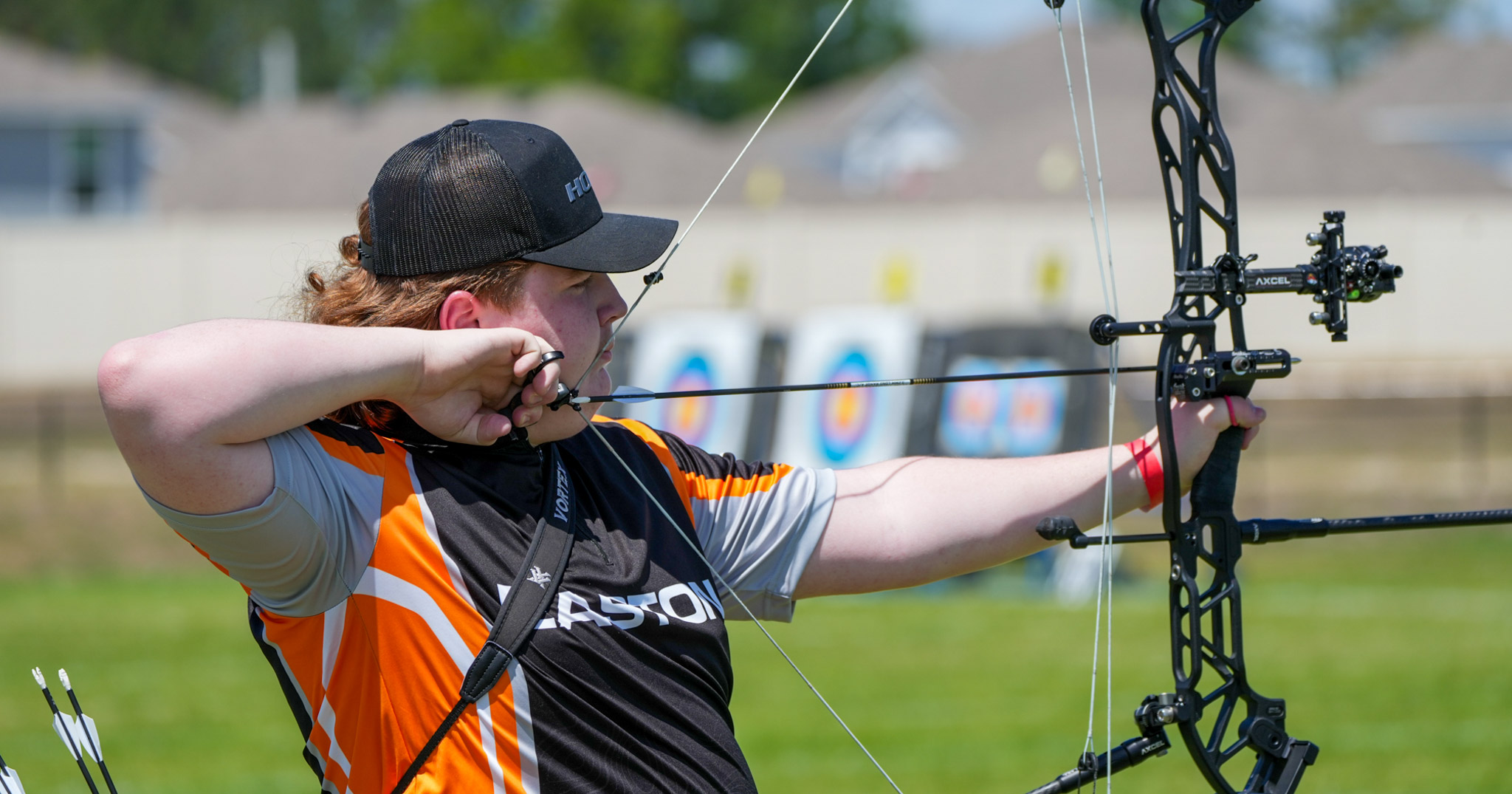
Selecting a bow sight for hunting is an important part of setting up a compound bow. The sight provides an aiming reference, but different designs offer different ways to manage distance, pin visibility and adjustments.
Some hunters prefer a multi-pin sight because several aiming references remain visible. Others prefer a single-pin or slider sight because it provides one primary aiming point that can be adjusted for a known distance.
There is no single sight that is best for every hunter. Your decision should reflect your equipment, experience, shooting preferences, intended hunting environment and ability to use the sight reliably.
1. Why Your Hunting Bow Sight Matters
A bow sight helps an archer establish a repeatable aiming reference. When properly installed and calibrated, it can support consistent practice at measured distances.
For hunting applications, equipment selection also involves practical considerations such as:
- How easily you can see the aiming reference.
- Whether you prefer one pin or multiple pins.
- How quickly and confidently you can operate the adjustment system.
- Whether the sight is compatible with your bow.
- How the sight is protected during transport and outdoor use.
- Whether you can practice consistently with the selected configuration.
2. Main Types of Bow Sights for Hunting
Single-pin bow sights
A single-pin sight uses one primary aiming reference. Some models include an adjustable slider that allows the pin to be positioned for different known distances.
Hunters who prefer a less crowded sight picture may find this design appealing. However, using an adjustable system requires understanding the mechanism, confirming distance and checking the selected setting before shooting.
Multi-pin bow sights
Multi-pin sights contain several aiming pins, often arranged vertically. Each pin is sighted for a selected distance, allowing the archer to choose among established aiming references.
This design may suit hunters who prefer having multiple distance references visible without moving a slider between settings. The archer must still identify the correct pin and understand the spacing between the established distances.
Slider bow sights
Slider sights use a movable sight assembly or aiming reference. Many models include a bar, adjustment knob, locking mechanism or distance scale.
They may appeal to hunters who prefer adjusting one aiming reference for different measured distances. Calibration is important because distance markings must correspond with the individual bow setup.
3. Single-Pin vs. Multi-Pin Sights for Hunting
One of the most common decisions is whether to choose a single-pin adjustable sight or a fixed multi-pin configuration.
| Feature | Single-Pin Sight | Multi-Pin Sight |
|---|---|---|
| Aiming references | One primary pin | Several pins |
| Distance settings | Often adjusted using a slider | Established separately for each pin |
| Sight picture | Generally less visually crowded | Multiple pins remain visible |
| Changing distance | May require adjustment | Select an appropriate established pin |
| Calibration | Requires verified slider settings and scale where applicable | Requires each pin to be sighted in |
| Potential appeal | Archers who prefer one adjustable aiming reference | Archers who prefer multiple visible references |
Neither option automatically produces better results. The most suitable configuration is the one you can operate confidently and use consistently in a safe, controlled manner.
For a deeper comparison, read our article Single-Pin vs. Multi-Pin Bow Sights: Which Is Better?.
4. Important Features to Consider Before Buying
Pin visibility
Consider whether the aiming reference is easy for you to see in the lighting conditions where you normally practice. Pin diameter, fiber-optic construction and manufacturer-approved illumination options can differ between models.
Check the manufacturer’s specifications and applicable hunting regulations before choosing an illuminated sight.
Adjustment mechanism
For adjustable sights, examine the knob, lever, scale and locking system. The mechanism should be understandable and allow you to return to verified settings consistently.
Number of pins
Multi-pin models are available in different configurations. Consider whether you prefer three, five or another number of aiming references. More pins are not automatically better; the layout should suit your needs and visual preferences.
Housing design
Review the sight housing, pin arrangement and overall dimensions. The sight should provide a usable sight picture and fit the bow’s mounting arrangement.
Construction and durability
Compare the materials, finish, mounting hardware and care instructions. Outdoor equipment should be inspected regularly and protected from unnecessary impacts during storage and transport.
Weight and mounting compatibility
Check the manufacturer’s specifications for weight and mounting compatibility. Confirm that the sight can be installed securely on your bow and positioned correctly for your shooting form.
Ease of adjustment
A sight with many features may not be the best option if you find its controls difficult to operate. Choose a configuration you can understand, maintain and practice with confidently.
5. Choosing a Sight for Different Hunting Preferences
Different hunting situations and personal preferences can influence sight selection. The following examples are general equipment considerations, not guarantees of performance in the field.
For hunters who prefer a simple sight picture
A single-pin design may appeal to hunters who prefer one visible aiming reference. Adjustable models provide a way to establish different distance settings, but the user must understand the adjustment process and verify the setting.
For hunters who prefer multiple aiming references
A multi-pin sight may suit hunters who want several established references available in the housing. The pin layout and spacing should be familiar through regular practice.
For hunters who prefer adjustable distance systems
A slider sight may appeal to archers who want a movable aiming reference and repeatable distance settings. Consider the adjustment range, locking mechanism and calibration requirements.
For hunters who are new to compound bows
New archers should prioritize a sight that is compatible with their equipment and straightforward to understand. A qualified archery technician or instructor can help with installation and initial setup.
6. Why Compatibility and Proper Setup Matter
Even a well-designed bow sight must be compatible with the bow and correctly installed. Before purchasing, check:
- The mounting system specified by the sight manufacturer.
- The bow’s mounting arrangement and available clearance.
- The sight’s adjustment range and positioning options.
- The manufacturer’s installation instructions.
- Whether additional components are required or included.
- Whether the sight is appropriate for your intended use.
After installation, follow the manufacturer’s sight-in procedure and verify your settings through practice. If you notice unusual movement, damaged hardware or inconsistent results, stop and have the setup inspected.
7. Bow Sight Maintenance for Outdoor Use
Regular maintenance helps protect your equipment and identify problems before they interfere with practice.
- Inspect the housing, bracket and mounting hardware.
- Check moving components and locking mechanisms.
- Look for visible damage after transport or impacts.
- Keep the sight clean using manufacturer-approved methods.
- Store the bow in a protective case when appropriate.
- Verify sight settings after equipment changes.
- Follow the manufacturer’s maintenance recommendations.
8. Bow Hunting Sight Options at Bowsight Inc.
Bowsight Inc. provides access to hunting-oriented bow sight categories and individual product listings. Compare the available configurations and review current product specifications before choosing.
HHA Tetra Max Sight
Review the product listing for its configuration, manufacturer specifications and compatibility information.
HHA Optimizer Lite X
Explore this sight option and compare its design and adjustment features with other available models.
Apex Gear Magnitude 5-Pin
Review this five-pin sight listing and compare its configuration with adjustable single-pin options.
Axcel AccuTouch Carbon Pro
Explore this adjustable slider sight and review its product information before deciding whether it suits your setup.
9. Common Mistakes to Avoid When Selecting a Hunting Bow Sight
Choosing based only on pin count
The number of pins is only one feature. Consider sight visibility, adjustment, compatibility and how comfortable you are using the system.
Ignoring compatibility
Do not assume every sight fits every compound bow. Confirm the mounting arrangement and manufacturer’s specifications.
Overlooking practice
Buying a new sight does not replace practice. Become familiar with its controls and verify the setup before using it in the field.
Using unverified distance settings
Distance scales and pin settings should be established and checked for the individual bow setup. Do not rely on generic markings without verifying them.
Neglecting maintenance
Loose hardware, damaged components and unexpected movement can affect equipment reliability. Inspect the sight regularly.
10. Frequently Asked Questions
What type of bow sight is best for hunting?
There is no universally best design. Single-pin, multi-pin and slider sights each offer different features. Choose according to your equipment, preferences, experience and ability to use the sight consistently.
Are single-pin sights good for bow hunting?
Some hunters prefer single-pin sights because they provide one primary aiming reference and may offer adjustable distance settings. The archer must understand the adjustment system and verify settings before use.
Are five-pin bow sights better than three-pin sights?
Not necessarily. A five-pin sight provides more aiming references than a three-pin model, but the preferred configuration depends on the archer’s needs, sight picture and practice habits.
What is a slider bow sight used for?
A slider sight allows an archer to reposition the aiming reference for different known distances. Many designs include an adjustment mechanism and a calibrated distance scale.
Should beginners use a hunting bow sight?
Beginners can learn with a suitable sight, but they should receive appropriate instruction and become familiar with the bow and sight before hunting. Equipment setup and safe practice are essential.
How do I know if a bow sight fits my compound bow?
Check the sight manufacturer’s mounting specifications and compare them with the bow’s mounting arrangement. Ask a qualified archery technician if you are uncertain.
How often should I inspect a hunting bow sight?
Inspect it regularly and after transport, impacts or equipment changes. Follow the manufacturer’s maintenance instructions and verify settings during practice.
11. Independent Archery Education Resources
For additional information about archery education, equipment, training and competition, explore these independent organizations:
- USA Archery – Archery education, training and organizational resources.
- World Archery – International archery information and competition resources.
- International Field Archery Association – Coaching and educational resources.
- USA Archery Bow Tuning Guide – Educational information about compound and recurve bow tuning.
Explore Hunting Bow Sights at Bowsight Inc.
Compare hunting-oriented bow sights, adjustable slider systems and multi-pin configurations. Review product details and find a sight that matches your equipment and preferences.
Shop Bow Hunting Sights Browse All ProductsFinal thoughts: Choosing a hunting bow sight involves more than selecting a pin configuration. Consider visibility, adjustment, compatibility, construction and ease of use. The right setup is one you understand, maintain and practice with consistently. Always follow equipment instructions and applicable hunting regulations.
