
Blog Article
How to Adjust and Sight In a Compound Bow.
How to Adjust and Sight In a Compound Bow
Learn the fundamentals of compound bow sight adjustment, understand the sight-in process, recognize common aiming issues and discover how consistent practice helps establish reliable shooting references.
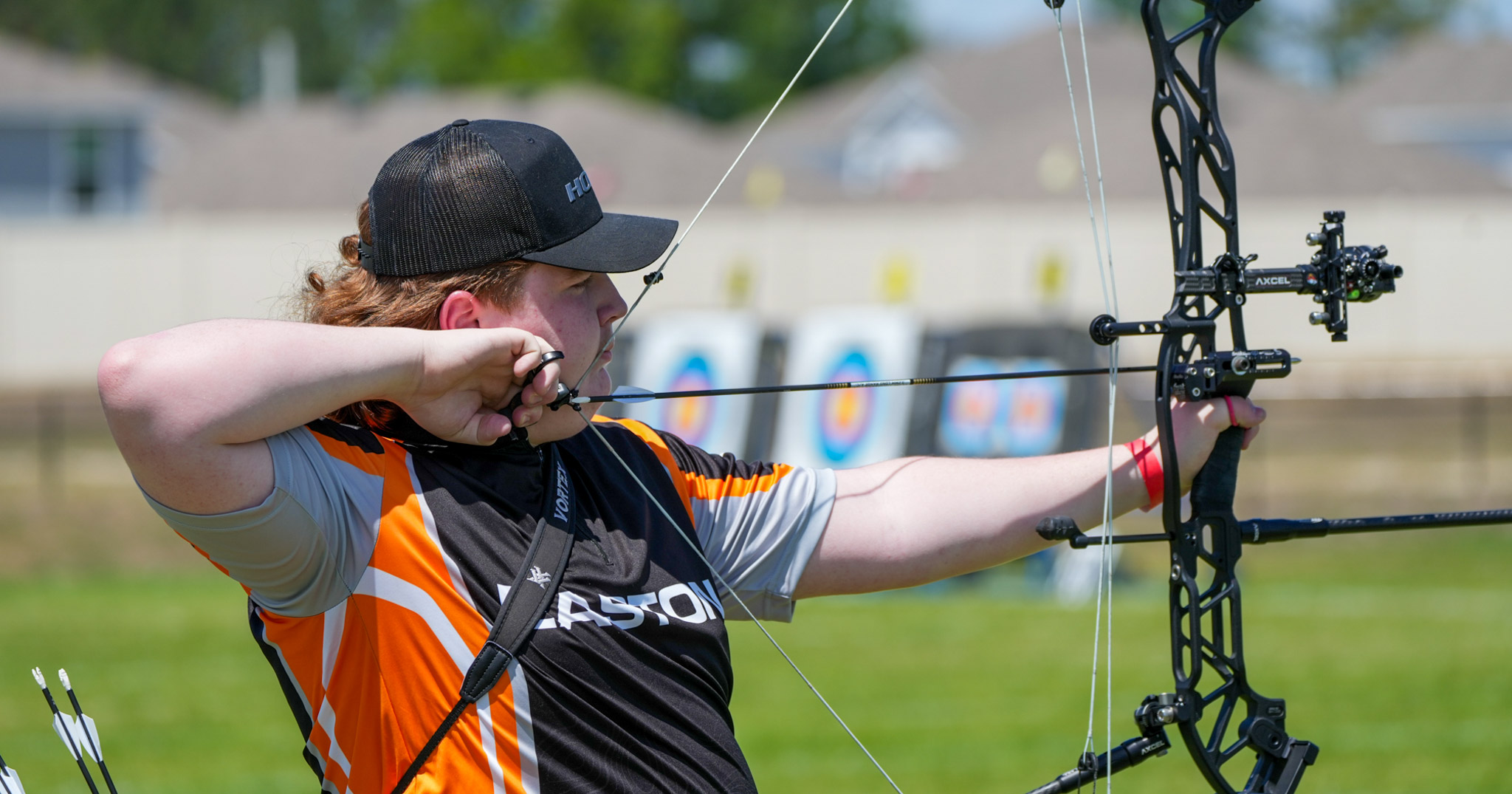
Learning how to adjust and sight in a compound bow is an important part of developing consistent archery skills. A properly installed and calibrated bow sight gives an archer an aiming reference for known distances. However, sight adjustment is only one part of the process. Bow setup, arrow selection, shooting form and regular practice all influence the results.
Whether you use a single-pin sight, a multi-pin sight or an adjustable slider system, understanding the basic principles can help you identify adjustment needs and maintain a consistent setup.
This guide explains the general sight-in process and the factors to consider when adjusting a compound bow sight. Always follow the instructions supplied with your particular bow and sight.
1. What Does It Mean to Sight In a Compound Bow?
Sighting in a compound bow means calibrating the sight so its aiming references correspond with the bow’s actual point of impact at selected, measured distances.
For example, a multi-pin sight may have separate pins assigned to different distances. A single-pin slider sight may use a movable aiming reference and a calibrated distance scale. In either case, the settings must be established using the individual bow and arrow combination.
The process is not simply about moving a pin until a shot appears correct. It involves checking equipment, using a consistent shooting position, confirming distance and making controlled adjustments.
2. Understand the Main Parts of a Compound Bow Sight
Before making adjustments, become familiar with the components of your sight. Their appearance and operation can vary by manufacturer.
Sight housing
The housing surrounds or supports the aiming reference. Its size, shape and construction affect the layout of the sight picture.
Aiming pin
The pin provides the visual reference used when aiming. Single-pin sights typically have one primary aiming point, while multi-pin sights contain several.
Windage adjustment
Windage refers to the horizontal positioning of the sight. It is used to correct left-to-right differences between the aiming reference and the point of impact.
Elevation adjustment
Elevation refers to the vertical positioning of the sight. It is used to correct high-or-low differences between the aiming reference and the point of impact.
Mounting bracket
The bracket attaches the sight to the bow. It should be securely installed and compatible with the bow’s mounting arrangement.
Slider or adjustment scale
Adjustable sights may include a movable bar, dial, locking mechanism or distance scale. These features allow the aiming reference to be repositioned for different known distances.
3. Check Your Equipment Before Sight-In
Before attempting to calibrate a sight, inspect the equipment and confirm that the bow is in suitable working condition.
- Confirm that the sight is compatible with the bow and correctly installed.
- Check for loose mounting hardware, damaged components or unusual movement.
- Inspect the bowstring and cables for visible wear or damage.
- Use arrows that are appropriate for the bow and approved by the manufacturer.
- Check that the arrow rest and other accessories are properly installed.
- Review the bow manufacturer’s setup and maintenance instructions.
- Use a suitable target and a safe shooting environment.
If you discover damaged strings, cables, limbs, mounting points or other structural components, stop and have the equipment inspected by a qualified professional. Do not attempt to compensate for a mechanical problem by changing sight settings.
4. Establish a Consistent Shooting Setup
Consistent shooting form is essential when evaluating sight settings. If your stance, anchor point or release changes significantly from shot to shot, the resulting impact pattern may not provide a reliable indication of whether the sight needs adjustment.
Use a repeatable stance
Stand comfortably and maintain a balanced position. Avoid changing your posture unnecessarily between shots.
Maintain a consistent anchor point
Your anchor point is the repeatable position at which you establish your draw. Follow the technique recommended by your coach or qualified instructor.
Use a consistent release
Changes in release technique can influence arrow impact. Practice a controlled and repeatable release rather than trying to correct every individual shot with equipment adjustments.
Follow proper range procedures
Use the range’s designated shooting line and follow all instructions from range staff. Retrieve arrows only when the range is declared safe.
5. Understanding the General Sight-In Process
The exact procedure depends on the sight design and the bow manufacturer’s recommendations. The following overview explains the general stages without replacing model-specific instructions or professional setup guidance.
Step 1: Confirm the installation
Review the sight’s installation instructions. Confirm that the mounting hardware, housing and adjustment components are secure and correctly positioned.
Step 2: Use a measured practice distance
Begin at a suitable distance recommended by your instructor or equipment manufacturer. Use a clearly measured range distance and an appropriate target with a safe backstop.
Step 3: Establish a consistent shooting pattern
Use the same stance, anchor point and release technique. Observe the overall group of arrows rather than making equipment changes based on one isolated shot.
Step 4: Follow the sight manufacturer’s adjustment instructions
Use the windage and elevation adjustment guidance supplied with your particular sight. Adjustment labels and movement directions can differ between products, so do not assume every model operates identically.
Step 5: Verify the settings
After adjustments, continue practicing under controlled conditions and confirm that the sight provides repeatable results. Record verified settings if the manufacturer recommends doing so.
Step 6: Check additional distances
Once the initial setup has been checked, use appropriate measured distances to establish and verify additional aiming references. Follow the sight’s instructions for multi-pin or slider calibration.
6. Understanding Windage and Elevation
Windage and elevation are two fundamental concepts in bow sight adjustment.
| Adjustment | What it affects | What to check |
|---|---|---|
| Windage | Horizontal sight alignment | Whether the impact pattern is consistently left or right of the intended point |
| Elevation | Vertical sight alignment | Whether the impact pattern is consistently high or low relative to the intended point |
Manufacturers may describe adjustment directions differently. Always consult the specific sight manual to understand how its adjustment markings relate to the desired correction. Avoid relying on generic instructions when the model’s mechanism is different.
7. How Single-Pin and Multi-Pin Sights Are Adjusted
Different sight designs provide different ways to establish aiming references. Understanding the distinction helps you choose equipment that matches your preferences.
Single-pin bow sights
A single-pin sight uses one primary aiming reference. Some models include an adjustable slider that allows the archer to position the pin for a known distance. The distance scale or sight tape must be calibrated for the individual bow setup.
Explore Single-Pin Bow Sights at Bowsight Inc.
Multi-pin bow sights
A multi-pin sight provides several aiming references. Each pin is established for a selected distance during the sight-in process. The archer must understand which pin corresponds with the measured distance.
Explore Multi-Pin Bow Sights at Bowsight Inc.
Slider bow sights
Slider sights allow the aiming reference to be moved using an adjustment mechanism. Depending on the model, this may involve a movable bar, dial, sight tape or locking feature.
Explore Slider Bow Sights at Bowsight Inc.
8. Common Compound Bow Sight Problems
When a bow does not produce consistent results, the sight may not be the only factor involved. Consider the following possibilities before making adjustments.
Inconsistent arrow groups
Wide or irregular groups can make it difficult to identify a reliable sight correction. Review shooting form, equipment condition and practice consistency. A qualified coach can help identify technique issues.
Loose sight hardware
Movement at the mounting bracket or adjustment assembly can affect repeatability. Inspect the sight and follow the manufacturer’s instructions for checking hardware.
Incorrect distance settings
A sight tape or pin setting may not correspond with the actual bow setup. Recheck the calibration process and confirm that the distance was measured correctly.
Changes after equipment replacement
Changing arrows, bow accessories or other equipment can affect the overall setup. Recheck the system according to manufacturer recommendations rather than assuming previous settings remain valid.
Difficulty seeing the aiming point
Pin visibility can vary with lighting, housing design and pin size. Compare sight features and check whether the model offers manufacturer-approved visibility options.
9. How to Maintain Your Compound Bow Sight
Regular inspection helps keep your sight in good condition and can reveal problems before they interfere with practice.
- Inspect the sight housing and mounting bracket for visible damage.
- Check adjustment components for unusual movement.
- Follow the manufacturer’s instructions for checking fasteners.
- Keep the sight clean using approved care methods.
- Protect the sight during storage and transport.
- Recheck sight settings after impacts, equipment changes or unexpected results.
- Seek professional assistance if the sight or bow appears damaged.
10. Bow Sight Options at Bowsight Inc.
Choosing a sight begins with understanding your preferred configuration and checking that the product is compatible with your equipment. Bowsight Inc. provides access to several bow sight categories and individual product listings.
Axcel AccuTouch Carbon Pro
Review this adjustable slider sight listing and examine the product information for its configuration and compatibility.
HHA Tetra Max Sight
Explore this sight listing and compare its specifications with other available adjustable sight systems.
HHA Optimizer Lite X
Review the product listing for information about its design and manufacturer specifications.
Apex Gear Magnitude 5-Pin
Compare this five-pin sight option with adjustable slider designs and other multi-pin configurations.
11. Frequently Asked Questions
How do I sight in a compound bow?
Start by confirming that the bow and sight are correctly installed and in good condition. Use a safe practice range, measured distances and consistent shooting form. Follow the manufacturer’s sight adjustment instructions and verify settings through practice.
What is windage on a bow sight?
Windage refers to horizontal sight adjustment. It concerns the left-to-right alignment of the sight relative to the observed arrow impact pattern.
What is elevation on a bow sight?
Elevation refers to vertical sight adjustment. It concerns the up-and-down alignment of the sight relative to the observed arrow impact pattern.
Should I adjust my bow sight after changing arrows?
Equipment changes can affect the bow’s setup and verified aiming references. Recheck the equipment and sight-in settings according to the manufacturer’s recommendations.
How many pins should a compound bow sight have?
There is no single correct number. Common configurations include three-pin and five-pin sights, while single-pin adjustable models are also available. Choose according to your preferences and intended use.
How often should I check my bow sight settings?
Check them regularly during practice and after equipment changes, impacts or unexpected shooting results. Inspect the sight for loose hardware or damage as part of normal equipment maintenance.
Can I sight in a compound bow without professional help?
Experienced archers may be able to follow the manufacturer’s setup instructions independently. New archers or anyone uncertain about bow setup should seek help from a qualified archery technician or instructor.
12. Independent Archery Education Resources
For additional information about archery training, equipment and bow tuning, explore these educational and governing organizations:
- USA Archery – Archery education, training and organizational resources.
- World Archery – International archery information and competition resources.
- International Field Archery Association – Coaching and educational resources.
- USA Archery Bow Tuning Guide – Educational material about recurve and compound bow tuning.
Explore Compound Bow Sights at Bowsight Inc.
Compare single-pin, multi-pin and adjustable slider sights. Review product information and find a sight configuration that suits your bow and archery preferences.
Shop Compound Bow Sights Browse All ProductsFinal thoughts: Sighting in a compound bow requires a combination of correct equipment setup, consistent shooting form and careful verification. Understanding windage, elevation and the differences between sight designs can help you make informed equipment decisions. Always use the manufacturer’s instructions and seek qualified assistance when needed.
