
Blog Article
Single-Pin vs. Multi-Pin Bow Sights: Which Is Better?
Single-Pin vs. Multi-Pin Bow Sights: Which Is Better?
Understand the differences between single-pin and multi-pin bow sights, compare their advantages, and learn which sight configuration may suit your shooting style, experience and intended application.
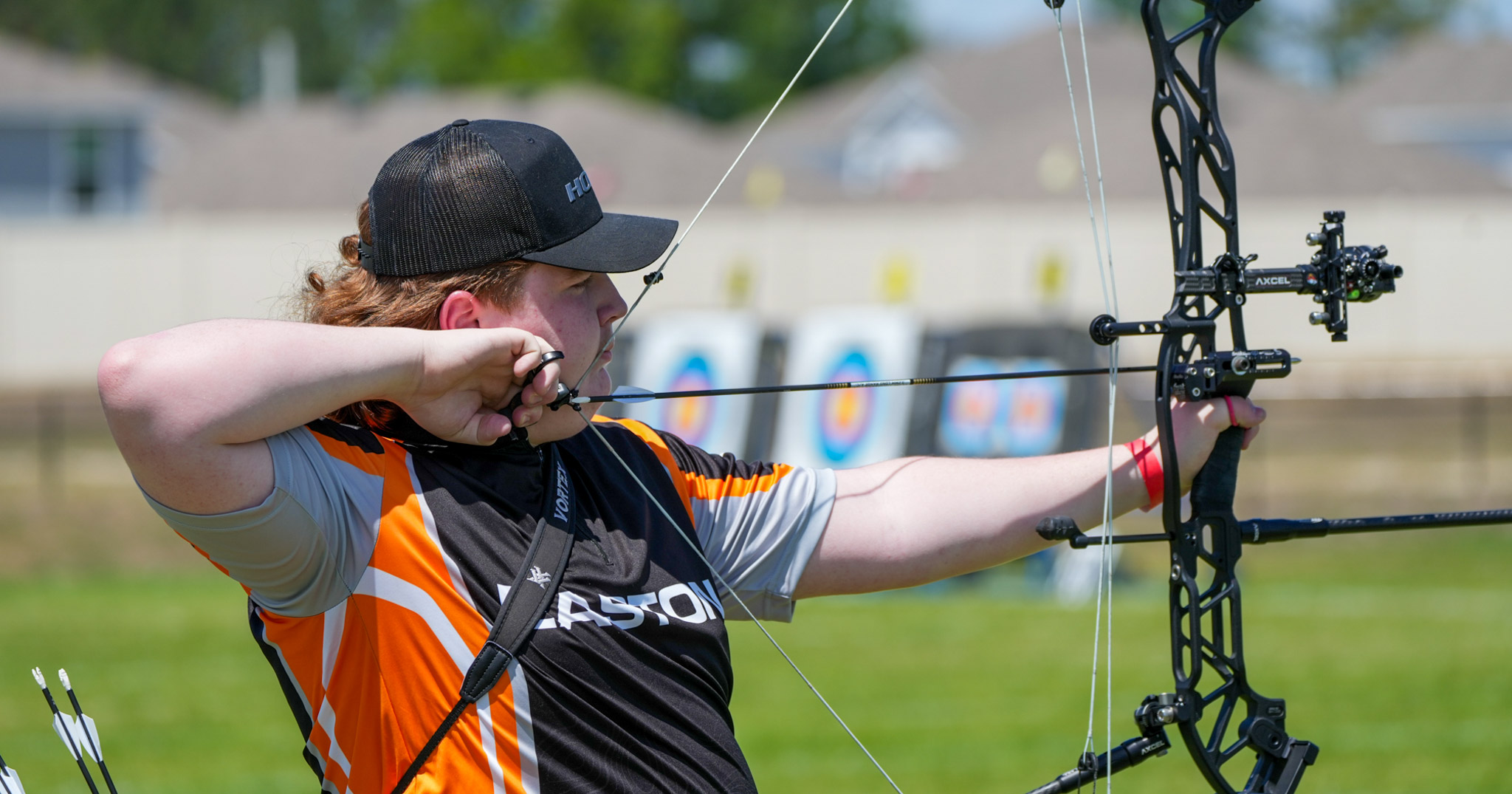
Choosing between a single-pin and multi-pin bow sight is an important decision when setting up a compound bow. Both configurations provide aiming references, but they approach distance adjustment differently. A single-pin sight generally uses one aiming point that can be adjusted for different distances, while a multi-pin sight provides several fixed aiming references within the sight housing.
Neither design is automatically better for every archer. The right choice depends on how you shoot, how you prefer to manage distance changes, the conditions in which you practice, and the type of archery you intend to pursue.
In this guide, we explain how each system works, compare their practical differences, and highlight the features to consider before choosing a bow sight.
1. What Is a Single-Pin Bow Sight?
A single-pin bow sight uses one primary aiming pin inside the sight housing. Many models allow the archer to move the pin vertically using an adjustable slider or sight tape system. The adjustment changes the aiming reference to correspond with a selected shooting distance.
For example, an archer may set a sight for a known distance before shooting. If the distance changes, the archer can adjust the sight according to the manufacturer’s instructions and the bow’s verified sight-in settings.
Single-pin designs are often selected by archers who prefer a clear sight picture with one main aiming reference rather than several pins visible at once.
Potential advantages of a single-pin sight
- Uncluttered sight picture: One primary pin can make the sight housing easier to view.
- Adjustable distance reference: Slider designs allow the aiming point to be changed for different verified distances.
- Pin visibility: With fewer aiming references in the housing, some archers find it easier to concentrate on one pin.
- Personalized setup: Many models allow adjustments to match an individual bow and arrow setup.
Potential disadvantages of a single-pin sight
- The archer may need to adjust the sight when moving between known distances.
- Changing the slider setting can take additional time during a shooting session.
- Accurate sight tapes and distance settings depend on careful setup and verification.
- Archers must become familiar with the adjustment mechanism before relying on it.
2. What Is a Multi-Pin Bow Sight?
A multi-pin bow sight contains multiple aiming pins arranged vertically or in another manufacturer-designed configuration. Each pin is sighted for a particular distance. A common configuration includes three or five pins, although other arrangements are available.
Once the sight has been properly installed and sighted in, the archer can select the appropriate pin for a known distance. This means the archer does not necessarily need to move a slider every time the shooting distance changes within the established pin settings.
Multi-pin sights are popular among archers who want several aiming references available in the housing at the same time.
Potential advantages of a multi-pin sight
- Multiple aiming references: Several distance settings can remain visible at the same time.
- Quick reference: The archer can select an appropriate pin without moving a slider between established settings.
- Familiar layout: Many archers find the vertical pin arrangement straightforward to understand.
- Different configurations: Three-pin, five-pin and other arrangements provide options for different preferences.
Potential disadvantages of a multi-pin sight
- Several pins can make the sight picture look more crowded.
- Pin spacing can become more difficult to interpret at distances between established settings.
- Additional pins may be unnecessary for archers who prefer one adjustable aiming reference.
- Each pin needs to be properly sighted in and checked.
3. Single-Pin vs. Multi-Pin: Main Differences
The most important distinction is how each design provides aiming references for different distances. The following comparison summarizes the main considerations.
| Feature | Single-Pin Bow Sight | Multi-Pin Bow Sight |
|---|---|---|
| Aiming references | One primary pin | Multiple pins |
| Distance adjustment | Often uses an adjustable slider | Each pin is generally sighted for a selected distance |
| Sight picture | Usually less visually crowded | Several pins remain visible |
| Changing distance | May require moving the slider | Select an appropriate established pin |
| Setup | Requires accurate slider and distance calibration when applicable | Requires each pin to be accurately sighted in |
| Common configurations | One adjustable aiming pin | Three-pin, five-pin and other layouts |
| Best fit | Archers who prefer one adjustable aiming reference | Archers who prefer multiple visible aiming references |
4. Which Sight Is Better for Bow Hunting?
Both single-pin and multi-pin sights are used in hunting-oriented archery setups. The choice depends on the archer’s preferences and the way they prepare for different shooting distances.
When a single-pin sight may be suitable
A single-pin slider may appeal to hunters who prefer a clear sight picture and have the time and opportunity to confirm distance and adjust their sight before shooting. The archer should understand the slider mechanism and verify the correct setting before relying on it.
When a multi-pin sight may be suitable
A multi-pin sight may appeal to hunters who prefer having several pre-established aiming references visible at once. This configuration can reduce the need to adjust a slider between known distances, although the archer must still identify and use the correct pin.
Equipment selection should always account for the applicable hunting regulations, ethical shooting practices, and the archer’s demonstrated ability with the setup.
5. Which Sight Is Better for Target Archery?
Target archers may choose either style depending on their discipline, equipment rules and personal preferences. Some prefer a single adjustable aiming reference, while others prefer a sight system with multiple references or a configuration suited to their particular competition format.
Before selecting a sight for competition, check the rules of the governing organization and the specific event. Equipment regulations can differ between disciplines and competition divisions.
For additional information about organized archery, visit World Archery and USA Archery.
6. Important Features to Compare Before Buying
Pin count is only one part of a bow sight’s design. Before making a decision, compare the construction, adjustment system and compatibility of the models you are considering.
Pin brightness and visibility
Consider how easily you can see the aiming point in the lighting conditions in which you normally practice. Fiber-optic pin designs, illumination options and pin diameters vary between products. Check the manufacturer’s specifications and any applicable regulations before selecting an illuminated model.
Adjustment system
Single-pin slider sights should be evaluated for their adjustment mechanism, scale markings, locking features and ease of repeatable positioning. Multi-pin sights should be evaluated for how the pins are adjusted and secured.
Housing and mounting compatibility
Check the mounting arrangement, available adjustment range and compatibility with your bow. Confirm that the sight can be installed securely and positioned correctly for your shooting form.
Construction and durability
Look at the materials, finish, mounting hardware and manufacturer’s care instructions. A sight used regularly in outdoor conditions should be maintained and inspected according to its product documentation.
Ease of setup
Some sights include additional adjustment features that require more setup time. Choose a design you can understand, calibrate and use consistently. If you are new to bow setup, consider working with a qualified archery technician.
7. Bow Sight Options Available at Bowsight Inc.
Bowsight Inc. offers different sight configurations for archers comparing adjustable slider systems and multi-pin designs. Review the product specifications and compatibility information for each model before choosing.

Adjustable Slider Sight Options
Explore adjustable sight systems for archers who prefer a movable aiming reference and distance-specific settings.
Multi-Pin Sight Options
Compare multi-pin configurations for archers who prefer several established aiming references in one sight housing.
HHA Tetra Max Sight
Explore the product listing and review its manufacturer specifications, adjustment features and compatibility before purchase.
HHA Optimizer Lite X
Review this sight option and compare its design with other adjustable bow sight systems.
8. How to Decide Which Bow Sight Is Right for You
Instead of choosing based only on the number of pins, consider how you actually shoot. Ask yourself the following questions:
- Do I prefer one clear aiming reference or several visible pins?
- Am I comfortable adjusting a slider when shooting at different distances?
- Do I want multiple pre-established aiming references available at once?
- Will I mainly use the bow for target practice, recreational shooting or hunting?
- Does the sight fit my bow and provide the adjustments I need?
- Can I confidently set up, verify and maintain the sight?
Your answers can help narrow down the options. If you are unsure, compare a few compatible models in person or ask an experienced archery technician to explain the adjustment systems.
9. Frequently Asked Questions
Is a single-pin bow sight more accurate than a multi-pin sight?
Not automatically. Accuracy depends on the complete equipment setup, sight calibration, shooting form, distance judgment and practice. Both designs can support accurate shooting when properly set up and used consistently.
Are multi-pin bow sights easier for beginners?
Some beginners find multiple fixed aiming references straightforward to understand. Others prefer the simplicity of one aiming pin. The best choice depends on the individual’s learning preferences and the time spent practicing with the sight.
What is the difference between a three-pin and five-pin bow sight?
The main difference is the number of aiming pins available. A three-pin sight provides three aiming references, while a five-pin sight provides five. The actual distances assigned to the pins depend on the individual bow setup and sight-in process.
Can a single-pin bow sight be used for hunting?
Yes. Single-pin adjustable sights are used in hunting setups. The archer must understand the adjustment system, confirm the distance and verify the correct setting before taking a shot.
Can I change a multi-pin bow sight into a single-pin sight?
Not usually by simply removing pins. The sight’s design and adjustment system determine what changes are possible. Check the manufacturer’s instructions or consult an archery technician before modifying a sight.
How often should I check my bow sight?
Inspect your sight regularly, especially after transport, impacts, equipment changes or unusual shooting results. Follow the manufacturer’s maintenance instructions and verify your sight-in settings during practice.
Which bow sight should I buy?
Choose a sight that matches your shooting preferences, bow compatibility, adjustment needs and budget. Compare the product specifications carefully rather than relying on pin count alone.
10. Independent Archery Learning Resources
For further learning about archery equipment, tuning and organized shooting, these independent educational organizations are useful starting points:
- USA Archery – Archery education, programs and resources.
- World Archery – International archery information and competition resources.
- International Field Archery Association – Coaching and archery learning resources.
- USA Archery Bow Tuning Guide – Educational material about recurve and compound bow tuning.
Find a Bow Sight That Fits Your Setup
Compare single-pin, multi-pin, compound and adjustable slider bow sights at Bowsight Inc. Review available options and product information before choosing your next archery setup.
Shop Bow Sights Contact Bowsight Inc.Final thoughts: Single-pin and multi-pin bow sights serve different preferences. A single-pin sight offers one adjustable aiming reference, while a multi-pin sight provides several established references in the sight housing. Take time to compare their features, confirm compatibility and practice with your chosen setup before relying on it.
