
Blog Article
How to Choose the Right Bow Sight: A Complete Buyer’s Guide
How to Choose the Right Bow Sight: A Complete Buyer’s Guide
Choosing the right bow sight is an important part of putting together a compound bow setup. With fixed multi-pin sights, single-pin adjustable models, slider systems, and different mounting and adjustment features available, understanding the differences can help you make a more informed equipment decision.
This guide explains the main types of bow sights, what to consider before buying, and how to compare different configurations for hunting, practice, and target shooting.
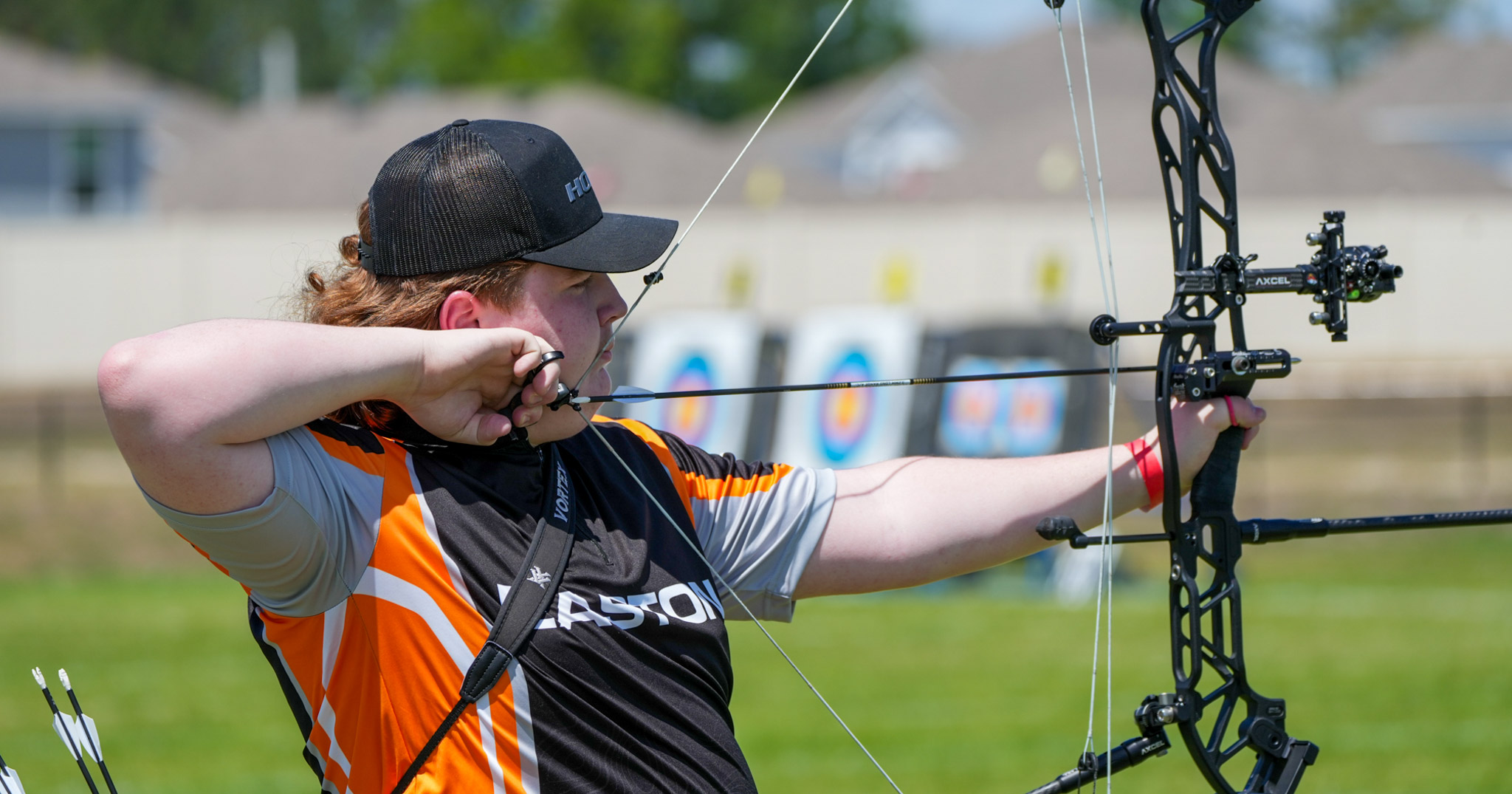
Understanding your shooting requirements is an important starting point when comparing bow sights.
What Is a Bow Sight?
A bow sight is an aiming accessory mounted to a bow. It provides an aiming reference that helps an archer align the bow with a target. Depending on the design, this reference may consist of one movable pin, several fixed pins, or an adjustable sight housing.
Bow sights are available in different configurations for compound bow hunting, target shooting, and other archery applications. Their construction, adjustment mechanisms, mounting arrangements, and visibility features can vary considerably between models.
A sight does not replace proper shooting technique. Consistent form, a suitable bow setup, correct sight adjustment, and regular practice remain important parts of developing reliable shooting performance.
1. Understand the Main Types of Bow Sights
One of the first decisions when comparing bow sights is the type of aiming system you prefer. The most common configurations include fixed multi-pin sights, single-pin adjustable sights, and multi-pin slider sights.
Fixed Multi-Pin Bow Sights
A fixed multi-pin bow sight contains several individual aiming pins arranged within a sight housing. Each pin is adjusted and set for a particular distance. Once the sight has been properly configured, the archer selects the corresponding pin when aiming.
Multi-pin designs are often considered by hunters who prefer having several preset aiming references without needing to adjust a movable sight between different distances.
When comparing multi-pin sights, consider:
- The number of pins included in the sight.
- Pin visibility and fiber-optic arrangements, where applicable.
- The size and design of the sight housing.
- Available windage and elevation adjustments.
- Mounting compatibility with your bow.
Explore our Multi-Pin Bow Sights category to compare available configurations.

Single-Pin Adjustable Bow Sights
A single-pin bow sight uses one aiming pin that can be moved vertically through an adjustment mechanism. The archer sets the aiming reference according to the intended distance, usually using a sight tape or another calibrated distance system where supplied.
The main appeal of a single-pin design is its relatively uncluttered sight picture. Instead of several fixed aiming pins, the archer works with one primary reference point.
Features to compare include:
- The adjustment range and movement of the sight.
- The clarity and visibility of the aiming pin.
- The quality and design of the adjustment mechanism.
- Available sight tapes and calibration arrangements.
- Whether the sight is compatible with your intended bow setup.
A single-pin sight requires the archer to account for the distance setting before shooting. It is important to understand the adjustment process and practise with the sight in a controlled environment.
Browse our Single-Pin Bow Sights category to explore available options.
Slider and Adjustable Bow Sights
Slider bow sights use a movable sight assembly or housing that travels along an adjustment track. Depending on the model, the system may use one movable pin or combine fixed pins with an adjustable aiming reference.
These designs are worth comparing if you want a sight with distance adjustment capabilities. However, the available adjustment range, locking mechanism, sight tape system, and construction differ between products.
Before selecting a slider sight, review:
- The slider’s adjustment range.
- How the sight locks into position.
- The available fixed or movable pin arrangement.
- The sight’s mounting and extension configuration.
- Whether the adjustment system suits your intended use.
Explore our Slider Bow Sights category for adjustable sight options.
2. Single-Pin vs Multi-Pin: Which Should You Choose?
There is no single configuration that is best for every archer. The right choice depends on how you shoot, the distances you commonly practise at, your preferred sight picture, and how comfortable you are with making adjustments.
| Feature | Single-Pin Sight | Multi-Pin Sight |
|---|---|---|
| Aiming references | One movable pin | Several fixed pins |
| Distance adjustment | Adjusted for the intended distance | Uses preset pin distances |
| Sight picture | One primary aiming point | Multiple aiming points |
| Setup considerations | Requires accurate adjustment and calibration | Each pin requires its own setup |
| Important consideration | Remember to set the correct distance | Identify the appropriate pin |
A fixed multi-pin sight may suit an archer who prefers several preset aiming references. A single-pin adjustable sight may appeal to someone who prefers one aiming point and is comfortable adjusting it for different distances.
A multi-pin slider combines elements of both systems. The exact functionality depends on the specific model.
For additional independent reading, the International Field Archery Association’s instructor resources include a dedicated educational resource titled Selecting a Bow Sight.
3. Consider Your Intended Shooting Application
The way you intend to use your bow should influence your sight selection. Equipment requirements may differ between hunting, recreational practice, and target shooting.
Bow Hunting
For hunting applications, consider how quickly you prefer to identify an aiming reference, the typical distances involved in your practice, the sight’s visibility, and the durability of its construction.
A fixed multi-pin arrangement may appeal to someone who prefers preset references. A movable or slider design may suit someone who wants additional distance adjustment options.
Review our Bow Hunting Sights category for available products.
Target Shooting and Practice
Target archers may place greater importance on repeatable adjustments, sight alignment, visibility, and the ability to fine-tune their equipment. The appropriate configuration depends on the bow type, competition format, personal preferences, and applicable equipment rules.
Before choosing a sight for a particular competition, check the relevant organization’s equipment regulations. You can explore general competition and equipment information through World Archery.
4. Check Bow Sight Compatibility and Mounting
Before ordering a bow sight, check whether its mounting system is suitable for your bow. Different models may use different mounting arrangements, extension bars, brackets, and included hardware.
Review the following details:
- Mounting-hole configuration and compatibility.
- Included mounting hardware and accessories.
- Extension-bar length and adjustment options.
- Clearance between the sight and other bow components.
- Manufacturer installation instructions.
Do not assume that every sight fits every bow. Check the product documentation and confirm compatibility before purchasing.
5. Compare Sight Housing, Pin Visibility and Adjustments
The sight housing and aiming reference influence how the sight appears when you look through it. Housing size, pin arrangement, pin diameter, fiber-optic features, and illumination options vary between products.
Pin Visibility
Consider whether the aiming pin is easy for you to see under the lighting conditions in which you normally practise. Pin size, color, illumination, and surrounding housing design can affect the appearance of the sight picture.
Windage and Elevation
Windage and elevation adjustments allow the sight’s aiming reference to be moved horizontally and vertically. Review the adjustment method, available travel, locking features, and manufacturer’s instructions.
Construction and Durability
Compare the materials, finish, mounting components, adjustment hardware, and overall construction. Consider how the equipment will be transported, stored, and used.
6. Explore Bow Sight Options at Bowsight Inc.
Once you understand the main sight configurations and the features that matter to your setup, you can begin comparing specific products. Bowsight Inc. offers listings from several archery equipment manufacturers.
Garmin Xero A1i PRO Bow Sight
Explore the Garmin Xero A1i PRO product listing and review its available specifications, product details, and compatibility information.
View Garmin Xero A1i PRO →Axcel AccuTouch Carbon Pro Slider Sight
Review this Axcel adjustable slider sight listing, including the AVX-31 scope configuration and the product information provided on the page.
View Axcel AccuTouch →HHA Tetra Max Sight TMX-5519
Explore the HHA Tetra Max product listing and review its model-specific details before comparing it with other adjustable bow sight options.
View HHA Tetra Max →HHA Optimizer Lite X LX-5019 Sight
Review the product listing for this HHA sight and check its specifications, included components, and compatibility information.
View HHA Optimizer Lite X →Apex Gear Magnitude 5 Pin Bow Sight
Compare this five-pin sight listing with other multi-pin configurations and review the available product information.
View Apex Gear Magnitude →Browse Bow Sights by Category
You can also explore Bowsight Inc.’s dedicated product categories to compare different sight configurations.
7. Learn More Through Independent Archery Resources
Product descriptions are useful when comparing individual models, but independent educational resources can provide additional information about archery equipment and setup.
- International Field Archery Association – Instructor Resources: includes a resource specifically titled Selecting a Bow Sight.
- USA Archery – The Ultimate Guide to Recurve and Compound Bow Tuning: educational material covering bow setup and tuning.
- World Archery: international archery information, competition and sport resources.
Frequently Asked Questions About Choosing a Bow Sight
1. What type of bow sight should a beginner consider?
A beginner should compare the main sight configurations, understand how each one works, and consider which adjustment system is easiest to learn and practise with. Compatibility and clear manufacturer instructions are also important.
2. What is the difference between a single-pin and multi-pin bow sight?
A single-pin sight uses one movable aiming pin, while a multi-pin sight uses several fixed aiming references. The main difference is how the archer establishes and selects an aiming point for different distances.
3. Are slider bow sights adjustable?
Yes. Slider sights use a movable adjustment mechanism that changes the position of the sight assembly or aiming reference. The adjustment range and features depend on the model.
4. Can every bow sight fit every compound bow?
No. Mounting arrangements, hardware, extension systems, and clearances vary. Always check the manufacturer’s compatibility information before ordering.
5. What should I check before purchasing a bow sight?
Review the sight type, pin configuration, adjustment system, mounting compatibility, visibility, construction, included components, and manufacturer documentation.
6. Where can I compare bow sights at Bowsight Inc.?
Visit the Bowsight Inc. Shop to explore available products, or browse the dedicated categories for single-pin, multi-pin, compound, hunting, and slider bow sights.
Additional Reading and References
The following independent organizations and educational resources provide further information for archers researching sight selection and equipment setup.
Find Bow Sights at Bowsight Inc.
Now that you understand the main types of bow sights and the features worth comparing, explore our available products and review their specifications to identify options suited to your equipment setup.
EXPLORE BOW SIGHTS AND ARCHERY EQUIPMENT