
Blog Article
will cover how to choose the right bow sight pin size and visibility
How to Choose the Right Bow Sight Pin Size and Visibility
Bow sight pin size can influence how clearly you see your aiming reference, how much of the target remains visible and how comfortable your sight picture feels. Learn about common pin sizes, brightness, fiber-optic visibility and the factors to consider when selecting a bow sight.
Choosing a bow sight involves more than deciding between a single-pin and multi-pin design. The size and visibility of the aiming pin can also affect your experience when shooting. A pin that appears too large may cover more of the target than you prefer, while a very small pin may be difficult to see in certain lighting conditions.
For compound bow archers, understanding pin diameter, fiber-optic illumination, housing design and lighting conditions can make it easier to evaluate different sight systems. This guide explains the main considerations and how to find a setup that suits your shooting environment and personal preferences.
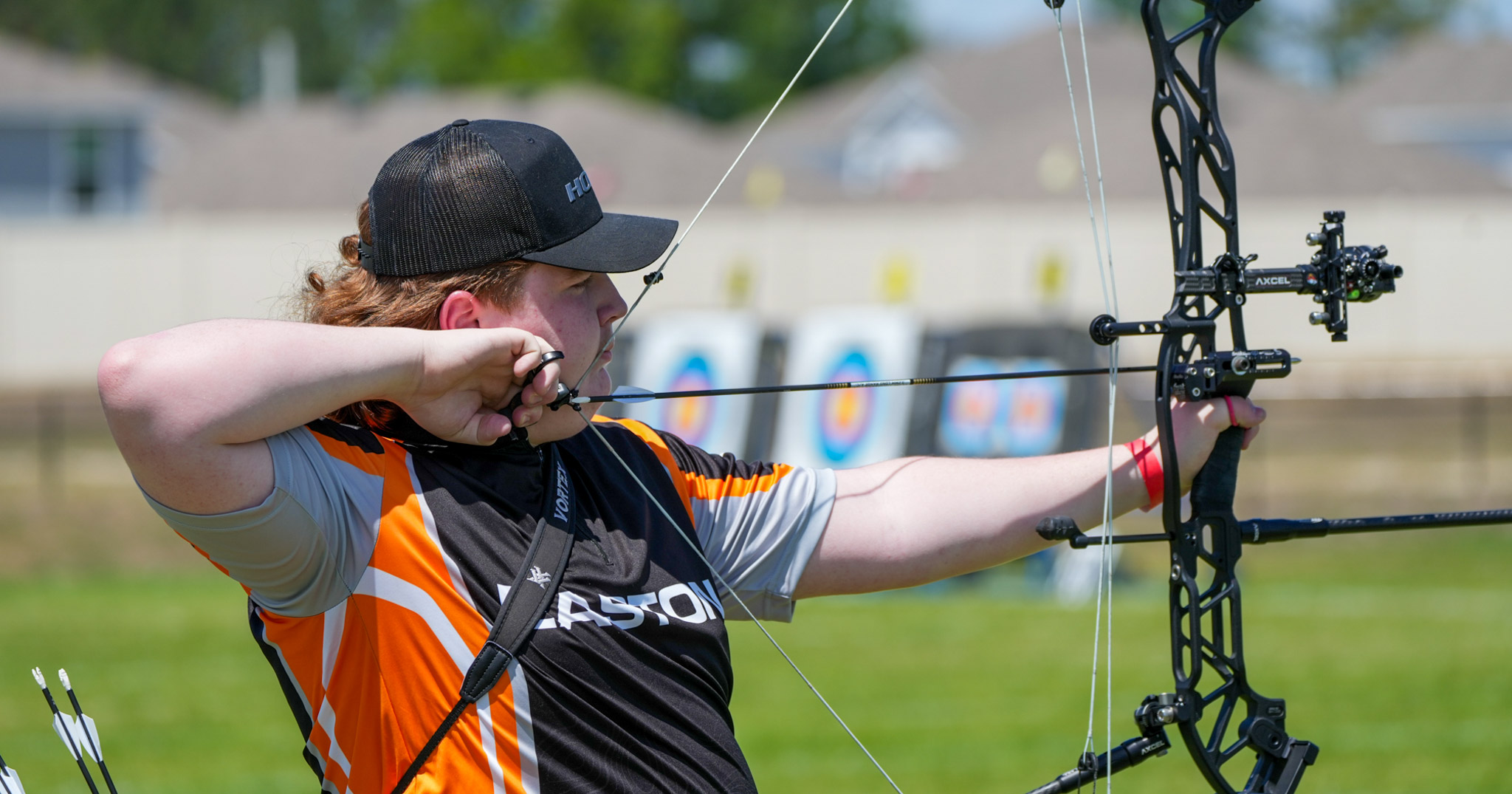
1. What Is a Bow Sight Pin?
A bow sight pin is an aiming reference mounted within a bow sight housing. When an archer draws the bow and looks through the sight, the pin provides a reference point for aligning the bow with the intended target.
Depending on the sight design, an archer may use one adjustable pin or several fixed pins. Multi-pin sights commonly use separate pins for different distances, while single-pin slider sights allow the aiming reference to move as the sight is adjusted.
The pin is only one part of the complete sight picture. The housing, scope, mounting position, lighting conditions and the archer’s vision all influence how clearly the aiming point can be seen.
2. Understanding Common Bow Sight Pin Sizes
Bow sight pins are commonly described by their diameter, usually measured in inches. Different manufacturers and sight models offer different pin configurations, so always check the specifications of the particular sight before purchasing.
Smaller Diameter Pins
Smaller pins provide a finer aiming reference. Some archers prefer them because they cover less of the target, particularly when aiming at smaller target areas.
- Fine-looking aiming reference.
- Can leave more of the target visible.
- May be harder to see in dim conditions.
- Visibility depends on eyesight and illumination.
Larger Diameter Pins
Larger pins can appear more prominent within the sight housing. Some archers find them easier to identify quickly, depending on the lighting and their visual preferences.
- More prominent aiming reference.
- May be easier to notice in some conditions.
- Can cover more of the target area.
- May not suit every target size or shooting style.
Pin diameter alone does not determine visibility. Fiber-optic quality, illumination, pin color, housing design and the surrounding light can all influence how clearly a pin appears.
3. Common Pin Diameter Measurements
Several pin diameters are used across the bow sight market. The measurements below are examples of common sizes that archers may encounter, not a specification for every model.
| Pin Diameter | General Appearance | Considerations |
|---|---|---|
| 0.010 inch | Very fine aiming reference | May appeal to archers who prefer a smaller aiming point. Check visibility in the lighting conditions where you shoot. |
| 0.019 inch | Intermediate pin appearance | A commonly encountered size that may offer a balance between a fine reference and visibility. |
| 0.029 inch | More prominent aiming reference | May be easier for some archers to see, although it can cover more of the target. |
These measurements should not be treated as a ranking from best to worst. The best diameter is the one that allows you to see your aiming reference clearly without interfering with your ability to aim consistently.
4. How Pin Size Affects Your Sight Picture
Your sight picture is the visual arrangement you see when looking through your bow sight at the target. Pin diameter can influence how much of the target is covered by the aiming reference.
Target visibility
A smaller pin may cover less of a target’s visible area. This can be useful when an archer prefers a fine aiming reference, especially when working with smaller target faces.
Pin recognition
A larger pin may be easier for some archers to identify quickly. However, individual eyesight and the contrast between the pin and the background can be just as important as diameter.
Aiming comfort
Some archers prefer a fine pin, while others find a more visible aiming point easier to use. Comfort should be evaluated through consistent practice rather than assumptions based on measurements alone.
5. Understanding Fiber-Optic Pin Visibility
Many bow sights use fiber-optic material to collect available light and make the aiming pin more visible. The fiber gathers light and directs it toward the pin, helping the aiming reference stand out under suitable lighting conditions.
Fiber-optic visibility can vary depending on the sight’s design, the length and arrangement of the fiber, the surrounding light and the manufacturer’s construction.
What influences fiber-optic visibility?
- Available light: Bright outdoor conditions may make fiber-optic pins appear more visible.
- Fiber arrangement: The way the fiber is routed and protected can influence how the sight collects light.
- Pin color: Different colors may be easier for different people to distinguish.
- Lighting accessories: Some sights support manufacturer-approved illumination accessories.
- Condition of the fiber: Damaged, loose or contaminated fiber can affect performance.
6. Choosing a Pin Color
Pin color is another consideration when selecting a bow sight. Some models offer multiple colors, while others have a fixed color configuration.
Color preference is individual. A color that stands out clearly against one background may be less noticeable against another. Your eyesight, the target background and available light can all influence which color you find easiest to distinguish.
What to consider when comparing colors
- Can you distinguish the pin clearly against different target backgrounds?
- Does the color remain comfortable to look at during practice?
- Can you identify individual pins quickly on a multi-pin sight?
- Does the manufacturer offer replacement or alternative pin options?
If possible, compare different pin colors under the same lighting conditions. Avoid selecting a color based only on photographs or product illustrations, because screen displays may not accurately represent the appearance of the pin in real conditions.
7. Pin Size for Single-Pin and Multi-Pin Bow Sights
Pin diameter is worth considering alongside the type of sight you use. Single-pin and multi-pin systems present different aiming arrangements, so the number of pins and their spacing may affect your overall sight picture.
Single-Pin Bow Sights
A single-pin sight uses one aiming reference. The pin may be adjusted using a movable slider to accommodate different distances.
When comparing single-pin models, consider how clearly the pin is visible and whether its size suits your preferred aiming reference.
Explore Single-Pin Bow SightsMulti-Pin Bow Sights
Multi-pin sights provide several aiming references within one housing. Each pin is typically configured for a particular distance.
Pin spacing, color differentiation and visibility become important when comparing multi-pin configurations.
Explore Multi-Pin Bow SightsFor a more detailed comparison, read our guide to single-pin versus multi-pin bow sights.
8. How Lighting Conditions Affect Pin Visibility
A pin that appears clear in bright daylight may look different in low-light conditions. This is why it is important to evaluate a sight in the environments where you expect to use it.
Bright daylight
Strong ambient light can make fiber-optic pins appear prominent. Depending on the pin size and color, some aiming references may appear brighter than others.
Overcast conditions
Cloud cover can change the amount and direction of available light. A pin that is easy to distinguish in direct sunlight may have a different appearance under an overcast sky.
Low-light environments
In low-light environments, pin visibility may become more challenging. Some sights support compatible illumination accessories, but their use and suitability depend on the particular product and applicable regulations.
Never assume that an illuminated pin makes a sight suitable for every low-light situation. Follow the sight manufacturer’s instructions and applicable hunting regulations.
9. Choosing a Bow Sight Pin for Hunting or Target Archery
Your intended application should influence how you evaluate pin size and visibility.
Bow hunting
For hunting applications, consider how quickly you can identify the aiming reference, how the pin appears against natural backgrounds and whether the sight configuration is appropriate for your setup.
Also consider the sight’s durability, mounting system, adjustment controls and compatibility with your bow. Review local hunting regulations before selecting equipment for a particular season or location.
Explore our bow hunting sights.
Target archery
Target archers may place particular importance on a consistent sight picture and a clear aiming reference. A fine pin may appeal to some shooters, but it is important to balance pin size with visibility and personal comfort.
Explore our compound bow sights to compare available sight configurations.
10. What Else Should You Check Before Choosing a Pin?
Pin diameter is important, but it should not be the only deciding factor. Consider the complete bow sight system before making a purchase.
- Pin configuration: Decide whether a single-pin or multi-pin arrangement suits your shooting preferences.
- Housing size: Check the sight housing dimensions and how they fit your preferred sight picture.
- Pin spacing: On multi-pin models, consider whether the spacing allows you to distinguish the pins comfortably.
- Adjustment system: Review the windage, elevation and other adjustment features.
- Mounting compatibility: Confirm that the sight is suitable for your bow and mounting arrangement.
- Illumination: Check whether the model supports an optional light and whether it is included.
- Replacement parts: Review the manufacturer’s availability of replacement pins and service components.
- Manufacturer guidance: Check the model’s official specifications and installation instructions.
11. Bow Sights Available at Bowsight Inc.
Bowsight Inc. offers different bow sight configurations for archers comparing fixed-pin, adjustable and slider systems. When reviewing a product, check its official specifications for pin diameter, pin configuration, housing design and illumination compatibility.
Axcel AccuTouch Carbon Pro Slider Sight
An adjustable slider sight option for archers comparing movable sight systems and their adjustment features.
View ProductHHA Tetra Max Sight
A sight option to consider when comparing adjustable bow sight systems and manufacturer specifications.
View ProductHHA Optimizer Lite X
Explore this sight when comparing adjustable sight configurations and the features available for your setup.
View ProductApex Gear Magnitude 5-Pin
A multi-pin sight option to consider when comparing fixed-pin arrangements and sight housing configurations.
View ProductFind a Bow Sight That Fits Your Setup
Compare bow sight designs, pin configurations and adjustment systems at Bowsight Inc. Review product specifications before choosing the right sight for your equipment and shooting preferences.
Shop Bow Sights Contact Bowsight Inc.12. Common Mistakes When Choosing Bow Sight Pins
Choosing only by pin diameter
A smaller or larger pin is not automatically better. Consider visibility, lighting, target size and personal comfort together.
Ignoring the lighting environment
A sight should be evaluated under conditions similar to those in which it will be used. Indoor product photographs may not show how a pin appears outdoors.
Assuming brighter always means better
A very prominent aiming reference may not suit every archer. The objective is a clear and comfortable sight picture rather than maximum brightness.
Overlooking pin spacing
For multi-pin sights, pin spacing and color differentiation can influence how easily you identify the intended aiming reference.
Not checking product specifications
Do not assume that all sights from the same manufacturer have identical pin sizes or illumination systems. Check the exact model specifications before ordering.
13. Frequently Asked Questions About Bow Sight Pin Size
What is the best bow sight pin size?
There is no single best size for every archer. Smaller pins provide a finer aiming reference, while larger pins may appear more prominent. Your eyesight, shooting environment and personal preference should guide your decision.
Is a 0.010-inch bow sight pin better than a 0.019-inch pin?
Neither is automatically better. A 0.010-inch pin is smaller and may cover less of the target, while a 0.019-inch pin may appear more prominent. Compare both in suitable lighting conditions if possible.
Are larger bow sight pins easier to see?
Some archers find larger pins easier to identify, but visibility also depends on pin color, fiber-optic construction, lighting and eyesight.
Do fiber-optic bow sight pins need batteries?
Fiber-optic material gathers available ambient light and does not itself require a battery. Some bow sights also support separate electronic illumination accessories that may require batteries.
Does pin color affect visibility?
Yes. Different colors can appear more or less distinct depending on the background, lighting and individual eyesight. Compare available options under realistic shooting conditions.
Can I replace my bow sight pins?
Replacement options depend on the sight model. Check the manufacturer’s instructions and approved replacement components before attempting to change a pin.
Are single-pin sights easier to see than multi-pin sights?
Not necessarily. A single-pin sight has one aiming reference, while a multi-pin sight has several. Visibility depends on the actual pin design, size, color, spacing and lighting.
Should beginners choose smaller or larger bow sight pins?
Beginners should prioritize a clear, comfortable aiming reference and a sight configuration they can use consistently. Trying different pin sizes under appropriate supervision can help identify a suitable option.
14. Learn More About Archery Equipment
Understanding bow sight pin size is one part of building a consistent archery setup. You can also learn more about sight selection, bow setup and archery equipment through independent educational organizations.
Independent Archery Resources
- USA Archery – Archery education, training and organizational resources.
- World Archery – International archery information, rules and competition resources.
- International Field Archery Association – Coaching and educational resources.
Final Thoughts
Choosing the right bow sight pin size is about finding an aiming reference that is visible, comfortable and appropriate for your shooting environment. Smaller pins may offer a finer reference, while larger pins may appear more prominent. Neither option is universally superior.
Consider pin diameter alongside color, fiber-optic visibility, housing design, pin spacing and the overall sight configuration. Check the manufacturer’s specifications for the exact model and take time to evaluate how the sight looks in realistic conditions.
At Bowsight Inc., you can explore different compound bow sights, single-pin sights, multi-pin sights and slider bow sights when comparing equipment for your archery setup.
