
Blog Article
Understanding Bow Sight Mounting Systems and Compatibility
Understanding Bow Sight Mounting Systems and Compatibility
Learn how compound bow sight mounting systems work, understand brackets and extension bars, check compatibility and identify the important details before installing a new bow sight.
A bow sight needs more than a suitable aiming pin or housing to work properly. It must also connect securely to the bow through a compatible mounting system. The mounting arrangement supports the sight, provides its connection to the bow and allows the archer to position the aiming assembly according to the sight’s design.
Understanding mounting systems is particularly important when purchasing a replacement sight, upgrading equipment or changing from one sight design to another. Even when two products look similar, their mounting arrangements and hardware requirements may differ.
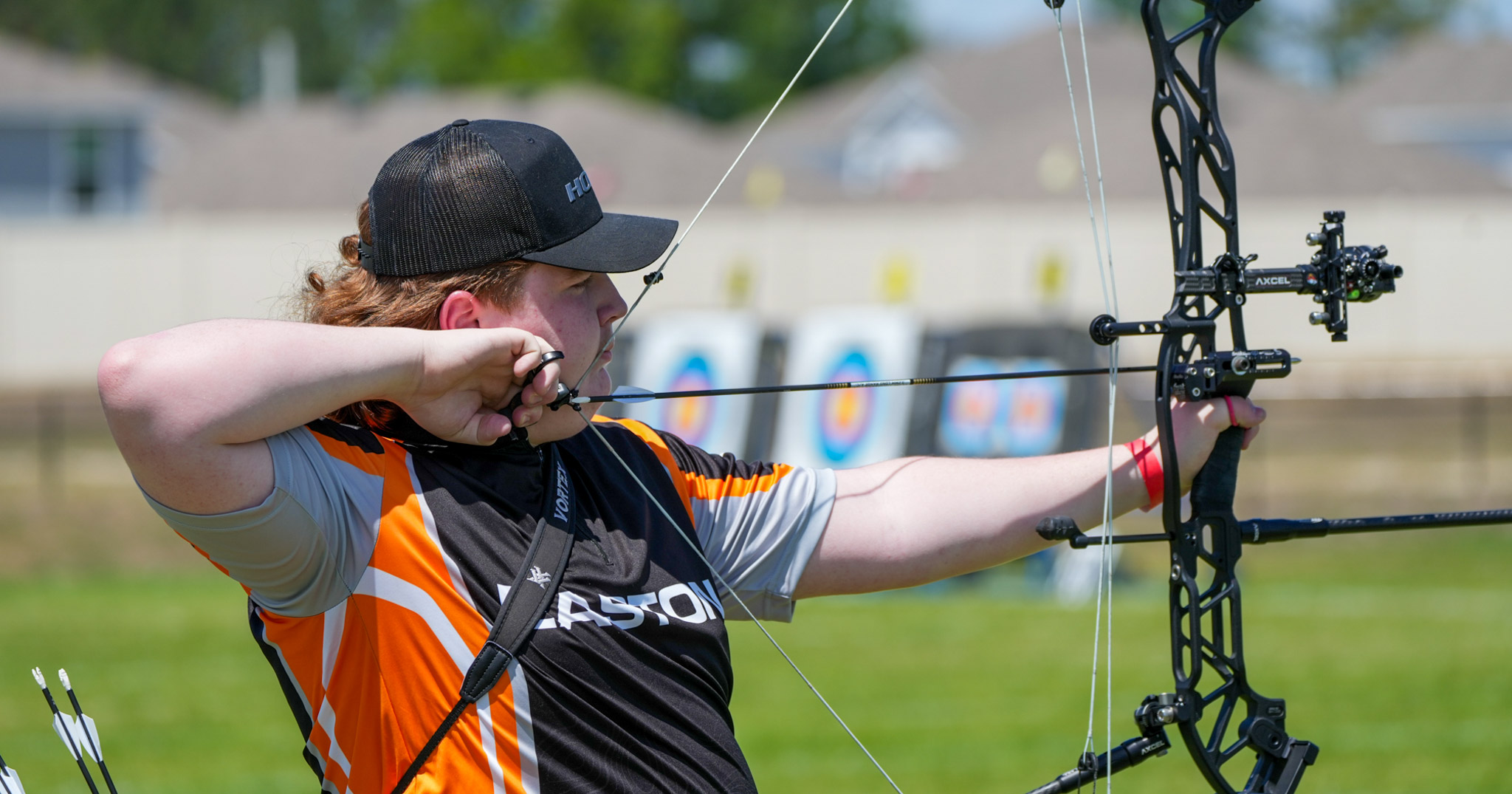
1. What Is a Bow Sight Mounting System?
A bow sight mounting system is the collection of components that attaches the sight to the bow. It provides the structural connection between the bow’s sight mounting area and the sight assembly.
Depending on the product, a mounting system may include:
- A mounting bracket or base.
- Mounting screws or other specified fasteners.
- An extension bar or sight arm.
- Adjustment hardware.
- A connection point for the sight housing or scope assembly.
- Additional manufacturer-specific mounting components.
Not every sight uses the same arrangement. Some designs have a compact mounting structure, while others include an extension system that positions the housing farther from the bow.
2. Main Components of a Bow Sight Mount
Mounting bracket
The base that connects the sight assembly to the bow’s designated mounting area. Its shape, hole arrangement and hardware requirements vary by product.
Extension bar
A component used on some sights to position the housing away from the bow. Its design and available adjustment range depend on the model.
Mounting screws
Fasteners that secure the mounting components. They must be appropriate for the specific sight and bow and installed according to manufacturer instructions.
Adjustment assembly
Some sights incorporate windage, elevation or other positioning mechanisms into the mounting structure.
Housing connection
The connection between the mounting assembly and the sight housing. It must be compatible with the manufacturer’s intended configuration.
Quick-detach or removable components
Some sight designs offer removable mounting features. Their operation and compatibility are specific to the product.
3. Common Bow Sight Mounting Configurations
Bow sight manufacturers use different mounting designs to accommodate their products. Understanding the general configurations helps when comparing sights and checking replacement options.
Direct-mount configurations
Some sights attach through a mounting bracket that connects directly to the bow’s designated sight mounting area. The arrangement is relatively compact and depends on the hole pattern and hardware specified by the manufacturer.
Extension-bar configurations
Other sights use an extension bar to position the housing away from the bow. This arrangement can provide additional positioning options, depending on the sight’s design.
Adjustable mounting configurations
Some mounting assemblies incorporate adjustment mechanisms that allow the archer to position the sight according to the product’s design. These may include elevation or windage adjustment features.
Removable mounting systems
Certain models use removable or quick-detach components. These systems may make removal and reinstallation more convenient, but the user must follow the manufacturer’s procedures to ensure correct attachment and alignment.
4. How to Check Bow Sight Compatibility
Compatibility should be checked before purchasing or installing a bow sight. A sight that does not match the bow’s mounting requirements may require additional manufacturer-approved hardware or may not be suitable for that setup.
Check the bow’s mounting provisions
Review the bow manufacturer’s documentation to identify the designated sight mounting area and the mounting specifications. Do not assume that all bows use identical mounting arrangements.
Check the sight’s mounting specifications
Review the sight manufacturer’s product documentation. Look for information about the mounting bracket, hardware, attachment requirements and any compatibility limitations.
Confirm the fasteners
Check that the specified screws and other hardware are correct for the sight and bow. Avoid substituting fasteners based only on their appearance or apparent fit.
Check clearance
Consider whether the sight assembly has suitable clearance around nearby bow components. The exact requirements depend on the bow and sight design.
Confirm accessory compatibility
If you plan to use a scope, lens, replacement housing or other accessory, confirm that it is designed for the particular sight model.
5. Does the Mounting Position Matter?
The mounting position is part of the overall sight setup. The sight must be installed in the location and orientation specified by its manufacturer.
Positioning can influence the archer’s view through the housing and the relationship between the sight and the bow. Different sight designs may offer different positioning options.
When reviewing a mounting arrangement, consider:
- Whether the sight is installed in the manufacturer’s intended mounting location.
- Whether the mounting bracket is seated correctly.
- Whether the sight has the clearance required by the manufacturer.
- Whether the adjustment mechanisms can operate as intended.
- Whether the housing remains secure during normal handling.
Do not modify the bow or mounting components to force compatibility. If the installation requirements are unclear, consult the manufacturer or a qualified archery technician.
6. Extension Bars: What Do They Do?
An extension bar is used in some sight designs to position the housing away from the bow. Its length and shape are determined by the manufacturer’s design.
Extension arrangements may provide positioning options, but a longer extension is not automatically better. The appropriate configuration depends on the sight model, bow setup and manufacturer’s recommendations.
What to consider when comparing extension designs
- Available adjustment positions.
- Overall construction and material specifications.
- Compatibility with the sight housing and mounting bracket.
- Clearance around the bow and other equipment.
- How securely the extension connects to the rest of the assembly.
7. Mounting Systems for Fixed-Pin and Adjustable Sights
Fixed-pin and adjustable sights can use different mounting arrangements. The sight type alone does not determine the exact mounting system; the individual product design does.
| Consideration | Fixed-pin sight | Adjustable sight |
|---|---|---|
| Mounting connection | Depends on the manufacturer’s bracket and mounting design. | Depends on the manufacturer’s bracket and adjustment assembly. |
| Housing position | Positioned according to the sight’s installation requirements. | Must accommodate the sight’s movable or adjustable components. |
| Adjustment features | May include windage and elevation adjustments. | May include windage, elevation and distance adjustment mechanisms. |
| Compatibility check | Confirm mounting hardware and housing compatibility. | Confirm mounting hardware, adjustment clearance and component compatibility. |
| Inspection | Check the bracket, fasteners and housing connection. | Check the bracket, fasteners and moving components. |
For more information about sight configurations, read our guide to fixed-pin vs. adjustable bow sights.
8. General Bow Sight Installation Considerations
Installation procedures vary by manufacturer and model. Always use the instructions supplied with your sight and bow.
Before beginning an installation, consider the following general checks:
- Read the sight and bow manufacturer’s installation documentation.
- Confirm that the mounting hardware is correct for the products.
- Inspect the bracket and attachment surfaces for visible damage.
- Position the sight according to the manufacturer’s instructions.
- Use only the specified fasteners and recommended tightening procedure.
- Confirm that the housing and adjustment mechanisms are secure.
- Check the installation before using the bow.
For a more detailed installation overview, read How to Install a Compound Bow Sight Correctly.
9. Common Bow Sight Mounting Problems
| Problem | Possible explanation | Recommended response |
|---|---|---|
| Loose sight assembly | Incorrect installation, loose fasteners or damaged hardware. | Stop using the sight until it has been inspected and secured according to manufacturer instructions. |
| Mounting holes do not align | Different mounting patterns or incompatible components. | Verify compatibility before attempting installation. |
| Insufficient clearance | The sight or extension arrangement may not suit the bow configuration. | Review manufacturer specifications and seek qualified assistance. |
| Housing moves unexpectedly | A loose connection or damaged adjustment component. | Inspect the assembly and follow the manufacturer’s repair guidance. |
| Adjustment mechanism binds | Damage, obstruction or incorrect assembly. | Do not force it. Consult the product documentation or manufacturer. |
| Missing mounting hardware | Incomplete product components or lost fasteners. | Obtain the correct manufacturer-approved replacement hardware. |
10. Maintaining Your Bow Sight Mounting System
Regular inspection helps identify mounting problems before they affect equipment use.
- Inspect the mounting bracket for visible cracks or damage.
- Check fasteners according to manufacturer recommendations.
- Look for corrosion, dirt or moisture around connection points.
- Inspect extension bars and adjustment assemblies.
- Protect the sight from impacts during transport.
- Use manufacturer-approved replacement parts.
- Have uncertain or damaged components inspected by a qualified technician.
For more maintenance advice, read How to Maintain, Clean and Protect Your Bow Sight.
11. Bow Sight Options at Bowsight Inc.
When comparing bow sights, review each product’s mounting design and specifications. The following products provide options to explore across different sight configurations.
Axcel AccuTouch Carbon Pro Slider Sight
Explore this slider-style sight and review its listed product details, mounting arrangement and included components.
View Axcel AccuTouch Carbon ProHHA Tetra Max Sight
Compare its published specifications and mounting requirements with your current bow setup.
View HHA Tetra MaxHHA Optimizer Lite X Sight
Review the manufacturer’s product information when comparing adjustable sight configurations.
View HHA Optimizer Lite XApex Gear Magnitude 5-Pin Bow Sight
Explore this five-pin sight option and review its mounting specifications before considering compatibility.
View Apex Gear Magnitude 5-PinExplore Compound Bow Sights
Compare sight designs, review product details and check mounting requirements before choosing your next bow sight.
Shop All Bow Sights Compound Bow Sights12. Frequently Asked Questions
Do all compound bow sights use the same mounting system?
No. Mounting arrangements vary by manufacturer and product model. Check the bow and sight specifications before purchasing or installing a sight.
How do I know if a bow sight will fit my bow?
Check the designated mounting area, mounting pattern, required hardware and manufacturer compatibility information for both products. If the information is unclear, contact the manufacturer or a qualified archery technician.
What is a bow sight extension bar?
An extension bar is a component used in some sight designs to position the housing away from the bow. Its dimensions and adjustment options depend on the specific product.
Can I use mounting hardware from another bow sight?
Only if the manufacturer confirms that the hardware is compatible with the specific sight and bow. Similar-looking screws and brackets are not necessarily interchangeable.
Why does my bow sight keep becoming loose?
Possible causes include incorrect installation, unsuitable hardware, damaged threads or a worn connection. Stop using the sight until the cause has been identified and corrected.
Can I move my bow sight to another compound bow?
Possibly, but you must verify mounting compatibility, hardware requirements and clearance. After installation, the sight setup must also be checked for the new bow.
Does a longer sight extension improve accuracy?
Not automatically. Extension length is one part of the sight design. Suitability depends on the manufacturer’s specifications, equipment configuration and archer preference.
Should I install a bow sight myself?
Only if you understand the manufacturer’s installation procedure and have the appropriate tools and experience. Otherwise, ask a qualified archery technician to install or inspect it.
13. Independent Archery Education Resources
These organizations provide additional information about archery education, equipment and organized shooting:
- USA Archery – Archery education and training information.
- World Archery – International archery information and competition resources.
- International Field Archery Association – Coaching and educational resources.
14. Final Thoughts
A bow sight mounting system is an essential part of the complete sight assembly. It connects the sight to the bow, supports the housing and provides the foundation for the sight’s positioning and adjustment features.
Before purchasing a new sight, check the mounting pattern, hardware, clearance, extension arrangement and accessory compatibility. Never force a sight onto a bow or substitute unverified mounting hardware.
A compatible, correctly installed and regularly inspected mounting system helps provide a stable foundation for your bow sight setup.
Find Your Next Bow Sight at Bowsight Inc.
Explore our selection of compound bow sights, adjustable sights and archery equipment.
Browse All Products Contact Bowsight Inc.Educational disclaimer: This article provides general equipment information. Always follow the manufacturer’s instructions for installation, compatibility, hardware and maintenance. Consult a qualified archery technician when necessary.
