
Blog Article
Fixed-Pin vs. Adjustable Bow Sights: Key Differences and How to Choose
Fixed-Pin vs. Adjustable Bow Sights: Key Differences and How to Choose
Understand how fixed-pin and adjustable bow sights work, compare their practical differences, and learn which sight configuration may better suit your archery setup, shooting distances and personal preferences.
Choosing between a fixed-pin and an adjustable bow sight is an important decision when setting up a compound bow. Both systems help an archer establish a repeatable aiming reference, but they accomplish distance adjustments in different ways. One uses several stationary aiming references, while the other allows the sight housing or aiming reference to move along an adjustable scale.
Understanding these differences can make it easier to evaluate your equipment. The right choice depends on how you shoot, the distances you regularly practice, your preferred sight picture and how comfortable you are making adjustments during a shooting session.
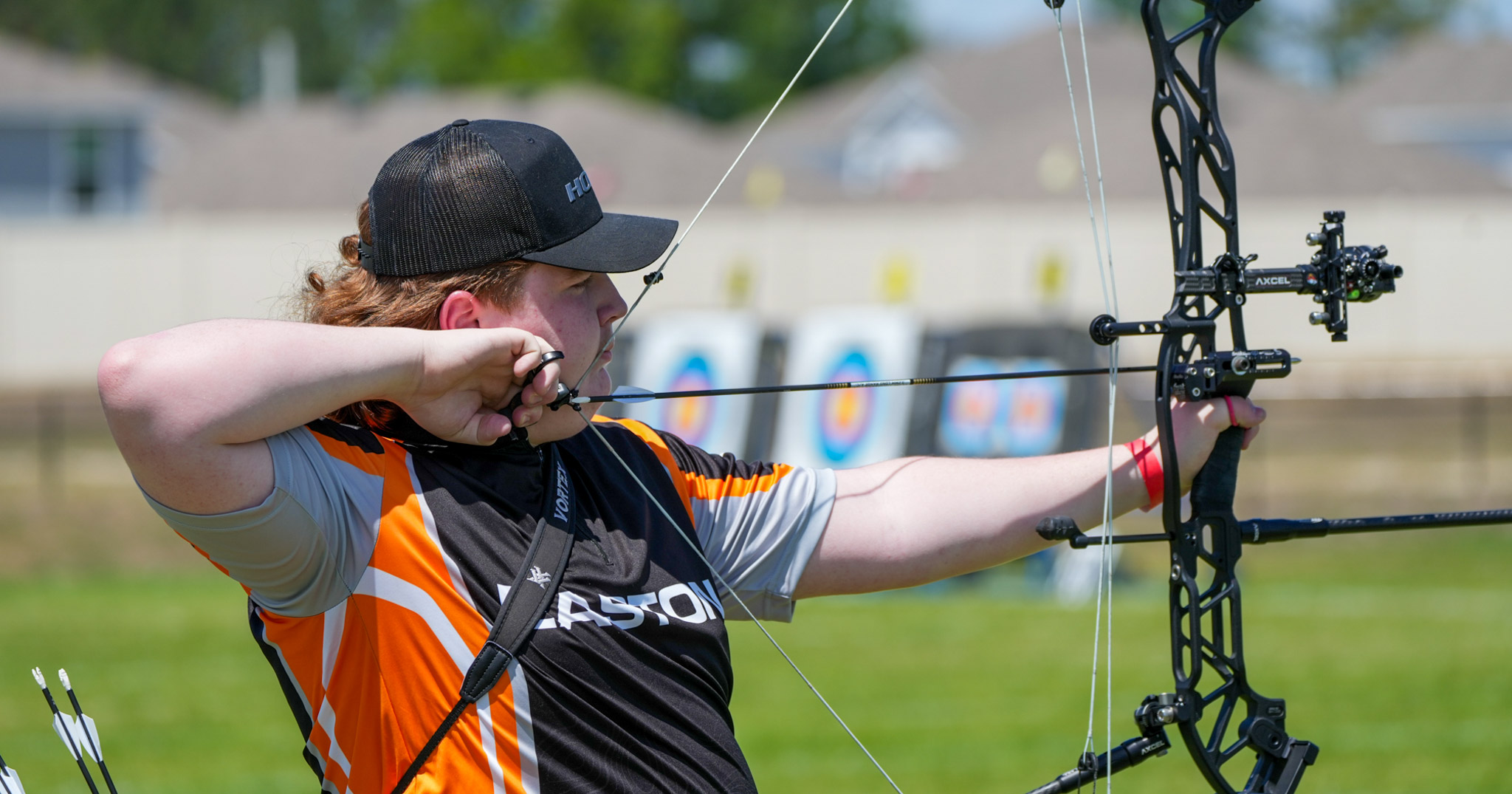
1. What Is a Fixed-Pin Bow Sight?
A fixed-pin bow sight uses multiple aiming pins mounted inside a sight housing. Each pin is adjusted to represent a particular distance after the bow has been properly set up and tested.
For example, an archer might configure a sight with reference points for 20, 30, 40, 50 and 60 yards. The exact distances depend on the archer’s equipment, shooting setup and intended use. These are examples, not universal settings.
Once properly configured, the pins remain in their established positions. When the archer changes the intended shooting distance, the appropriate pin is selected rather than moving the entire sight housing for every distance.
Common characteristics of fixed-pin sights
- Multiple aiming references within one sight housing.
- Each pin can represent a different established distance.
- The archer selects the appropriate pin for the known distance.
- There is no need to reposition the housing for every established pin distance.
- The sight picture depends partly on pin arrangement, visibility and housing design.
Potential advantages
Fixed-pin sights can provide convenient access to several established distance references. They may be useful for archers who prefer to have multiple aiming points available without adjusting a movable housing between distances.
They can also offer a straightforward approach for someone who regularly practices at a familiar group of distances.
Potential limitations
Multiple pins occupy space in the sight picture. Depending on the housing and pin configuration, this may make the aiming window feel more crowded. Fixed-pin systems also provide only the distances represented by the installed and configured pins, so an archer may need to account for gaps between those references.
2. What Is an Adjustable Bow Sight?
An adjustable bow sight uses a movable mechanism that allows the archer to change the position of the sight housing or aiming reference. Rather than relying exclusively on several stationary pins, the archer adjusts the sight to correspond with a selected distance.
Many adjustable sights use a vertical adjustment bar, movable indicator and distance tape or scale. Some designs use a single aiming pin, while others have different configurations. The exact operation depends on the model.
Common characteristics of adjustable sights
- A movable housing, pointer or aiming reference.
- A mechanism for making elevation adjustments.
- Distance markings, a scale or a compatible sight tape on many models.
- The ability to establish aiming positions for distances beyond a small set of fixed references.
- A setup process that requires accurate calibration and consistent equipment specifications.
Potential advantages
An adjustable sight can provide a more direct way to select a particular distance. Instead of choosing between several fixed pins, the archer moves the sight to the intended reference position.
This can be useful for target practice and other shooting situations where the archer regularly works with different known distances.
Potential limitations
Adjustable sights require the archer to understand and operate the adjustment mechanism correctly. Incorrect settings, an unsuitable sight tape or changes to the bow and arrow setup can affect the accuracy of distance references.
It is also important to understand how the sight is secured and how the manufacturer recommends operating it. A movable mechanism should not be assumed to hold its setting correctly without proper inspection.
3. Fixed-Pin vs. Adjustable Bow Sights: Main Differences
The most important difference is how each system provides aiming references at different distances. The table below compares their general design and operation.
| Feature | Fixed-Pin Bow Sight | Adjustable Bow Sight |
|---|---|---|
| Aiming references | Multiple stationary pins are commonly used. | A movable aiming reference or housing is adjusted. |
| Distance selection | Select the pin configured for the intended distance. | Move the sight to the appropriate distance setting. |
| Sight picture | Multiple pins may occupy the housing. | Some designs provide a less crowded single-pin sight picture. |
| Adjustment method | Individual pin positions are established during setup. | A movable mechanism changes the aiming reference position. |
| Distance flexibility | Based on the distances represented by configured pins. | Can accommodate a broader range of calibrated distances, depending on the model. |
| Setup considerations | Each pin needs to be accurately established. | Requires accurate calibration and appropriate distance markings or tape where applicable. |
| Operation | Select the appropriate established pin. | Set the sight to the intended distance. |
| Maintenance | Inspect pins, mounting hardware and housing. | Inspect pins where present, moving parts, adjustment hardware and mounting system. |
4. Which Sight Is Better for Hunting?
There is no single answer for every hunter. Hunting conditions, distance estimation, shooting preferences and the applicable rules for a particular activity should all be considered.
Fixed-pin hunting setup
A fixed-pin configuration may suit someone who prefers several established distance references in the sight housing. It can be convenient when the archer wants to select an already configured pin rather than operate an adjustment mechanism.
Consider: Pin visibility, spacing, housing size and the distances regularly practiced.
Adjustable hunting setup
An adjustable sight may suit an archer who values the ability to set a particular distance reference. Its usefulness depends on the model, the archer’s familiarity with the adjustment system and the circumstances in which it is being used.
Consider: Adjustment speed, secure positioning, sight tape accuracy and operating familiarity.
Before using either configuration in the field, practice with the complete setup under controlled conditions. Understand your actual distance references and follow local hunting regulations, equipment requirements and manufacturer guidance.
5. Which Sight Is Better for Target Practice?
Both fixed-pin and adjustable sights can be used in target practice. The choice often comes down to the type of practice, the distances involved and the aiming picture preferred by the archer.
When a fixed-pin sight may be suitable
- You regularly practice at a familiar set of distances.
- You prefer multiple established aiming references.
- You want to select a pin without moving the sight housing between those distances.
- You are comfortable working with the sight picture created by several pins.
When an adjustable sight may be suitable
- You regularly practice at a variety of known distances.
- You prefer adjusting one aiming reference to a selected distance.
- You are comfortable using a movable adjustment mechanism.
- You want a sight system that supports calibrated distance settings.
For organized competition, check the rules of the specific event and governing organization before selecting equipment. Different disciplines and competition classes may have different equipment requirements.
6. Understanding Sight Tapes and Distance Scales
Many adjustable bow sights use a distance tape or scale to help the archer identify the appropriate setting. A sight tape is not simply a decorative measurement strip. It is intended to correspond with the trajectory and equipment setup used to calibrate the sight.
Depending on the sight design, the correct tape or scale may depend on factors such as:
- The bow’s actual setup and measured performance.
- The arrow configuration and specifications.
- The archer’s established aiming references.
- The manufacturer’s calibration procedure.
- The adjustment range and design of the sight.
For a more detailed explanation, read our guide to how to read and use bow sight tapes.
7. Important Features to Compare Before Choosing
Once you understand the basic difference between the two sight systems, compare the construction and features of the specific models you are considering.
Pin configuration and visibility
Consider how many pins are included, their spacing, their diameter and how easily you can distinguish them in the conditions where you practice. A pin that is easy to identify in one lighting condition may look different in another.
For additional guidance, see how to choose the right bow sight pin size.
Housing size and sight picture
The housing influences how much of the target and surrounding area is visible through the sight. Compare the housing dimensions and the sight picture rather than assuming that one size is best for everyone.
Adjustment mechanism
For adjustable sights, examine the elevation adjustment, locking system, indicator and ease of operation. Review the manufacturer’s instructions to understand how the mechanism should be adjusted and secured.
Mounting compatibility
Confirm that the sight is compatible with your bow and intended mounting arrangement. Check the mounting hardware, available clearance and manufacturer specifications before purchasing.
Construction and durability
Materials, finish, hardware and overall construction can influence long-term use. Inspect the sight regularly and follow the manufacturer’s cleaning and maintenance recommendations.
8. Bow Sight Options Available at Bowsight Inc.
Bowsight Inc. offers different bow sight designs for archers comparing fixed-pin and adjustable configurations. Review each product’s specifications, included components and manufacturer guidance before deciding whether it suits your equipment.
Axcel AccuTouch Carbon Pro Slider Sight
Explore this adjustable sight option when comparing slider-style designs, adjustment systems and sight configurations.
View Axcel AccuTouch Carbon ProHHA Tetra Max Sight
Review this sight’s manufacturer specifications and design details when evaluating adjustable bow sight options.
View HHA Tetra MaxHHA Optimizer Lite X Sight
Compare its listed specifications and adjustment features with other sights in your preferred configuration.
View HHA Optimizer Lite XApex Gear Magnitude 5-Pin Bow Sight
Explore a five-pin option when comparing multi-reference aiming systems and fixed-pin configurations.
View Apex Gear Magnitude 5-PinExplore Bow Sights at Bowsight Inc.
Compare bow sight configurations, review product specifications and find an option that fits your equipment and shooting preferences.
Shop All Bow Sights Explore Compound Bow Sights9. Common Mistakes When Choosing Between Fixed and Adjustable Sights
- Choosing based only on pin count: Consider the complete sight design and how you intend to use it.
- Ignoring your shooting habits: Think about the distances you practice and how you prefer to select aiming references.
- Overlooking compatibility: Confirm the sight’s mounting requirements before purchasing.
- Using unverified distance settings: Establish and verify your own references using the manufacturer’s recommended process.
- Ignoring visibility: Evaluate the sight picture in realistic lighting conditions.
- Failing to inspect hardware: Check mounting screws, adjustment components and other parts regularly.
- Not practicing with the selected sight: Familiarity with the equipment is essential before relying on it in the field or at an event.
10. Frequently Asked Questions
What is the main difference between a fixed-pin and adjustable bow sight?
A fixed-pin sight uses several stationary aiming references, with each pin configured for a particular distance. An adjustable sight allows the archer to move the aiming reference or housing to a selected distance.
Are adjustable bow sights more accurate than fixed-pin sights?
Neither design automatically makes an archer more accurate. Accuracy depends on the equipment setup, calibration, shooting technique, consistency and practice. Both systems can provide useful aiming references when properly configured.
Can a fixed-pin bow sight be used at different distances?
Yes. Each pin can be configured for an established distance. The archer selects the appropriate pin for the distance being practiced or used, while accounting for the limitations between established references.
Do adjustable bow sights always use a single pin?
No. Many adjustable sights use a single aiming reference, but sight configurations vary by manufacturer and model. Review the individual product specifications to understand its design.
Do adjustable bow sights need a sight tape?
Some adjustable sights use a distance tape or scale, while the exact system depends on the model. Follow the manufacturer’s calibration instructions and use the appropriate markings for your setup.
Which type is easier for a beginner?
That depends on the beginner’s preferences and the sight design. Some archers find multiple fixed pins straightforward, while others prefer learning to use an adjustable system. The best approach is to understand both designs and practice with the selected equipment.
Can I switch from a fixed-pin sight to an adjustable sight?
Yes, provided the new sight is compatible with your bow and mounting arrangement. You will need to install, configure and verify the new sight according to its manufacturer’s instructions.
How do I maintain either type of bow sight?
Inspect the mounting hardware, housing, pins and adjustment components regularly. Keep the sight clean and dry, avoid forcing adjustment mechanisms and follow the manufacturer’s maintenance recommendations.
11. Further Archery Education and Resources
For additional information about archery equipment, training and organized shooting, consult independent archery organizations and educational resources:
- USA Archery – Archery education, training and program resources.
- World Archery – International archery information and competition resources.
- International Field Archery Association – Coaching and educational resources.
12. Final Thoughts: Fixed-Pin or Adjustable?
Fixed-pin and adjustable bow sights offer different approaches to establishing aiming references. Fixed-pin sights provide multiple stationary references, while adjustable sights allow the archer to reposition an aiming reference for a selected distance.
Neither system is automatically the best choice for every archer. Your decision should reflect your shooting preferences, regular practice distances, equipment compatibility, preferred sight picture and familiarity with the adjustment process.
Take time to compare individual models, review manufacturer specifications and practice with your complete setup. A properly configured sight that you understand and use consistently is more valuable than choosing a design simply because it is popular.
Find Your Next Bow Sight
Explore the Bowsight Inc. range of compound bow sights, slider sights and archery equipment.
Browse the Shop Contact Bowsight Inc.Educational disclaimer: This article provides general equipment information and is not a substitute for manufacturer instructions, professional equipment inspection, appropriate archery training or applicable hunting and competition regulations.
