
Blog Article
How to Set Up a Multi-Pin Bow Sight: A Step-by-Step Guide
How to Set Up a Multi-Pin Bow Sight: A Step-by-Step Guide
Learn how multi-pin bow sights are configured, how to establish individual distance references, understand pin spacing and check your setup for consistent shooting.
A multi-pin bow sight gives archers several aiming references within one sight housing. Each pin is configured to represent a particular distance, allowing the archer to select the appropriate reference without moving the entire sight housing for every established distance.
However, having multiple pins does not automatically make a bow sight properly configured. Each reference must be established through a consistent setup and verified shooting process. Pin arrangement, visibility, bow performance and the archer’s shooting technique all contribute to the finished sight picture.
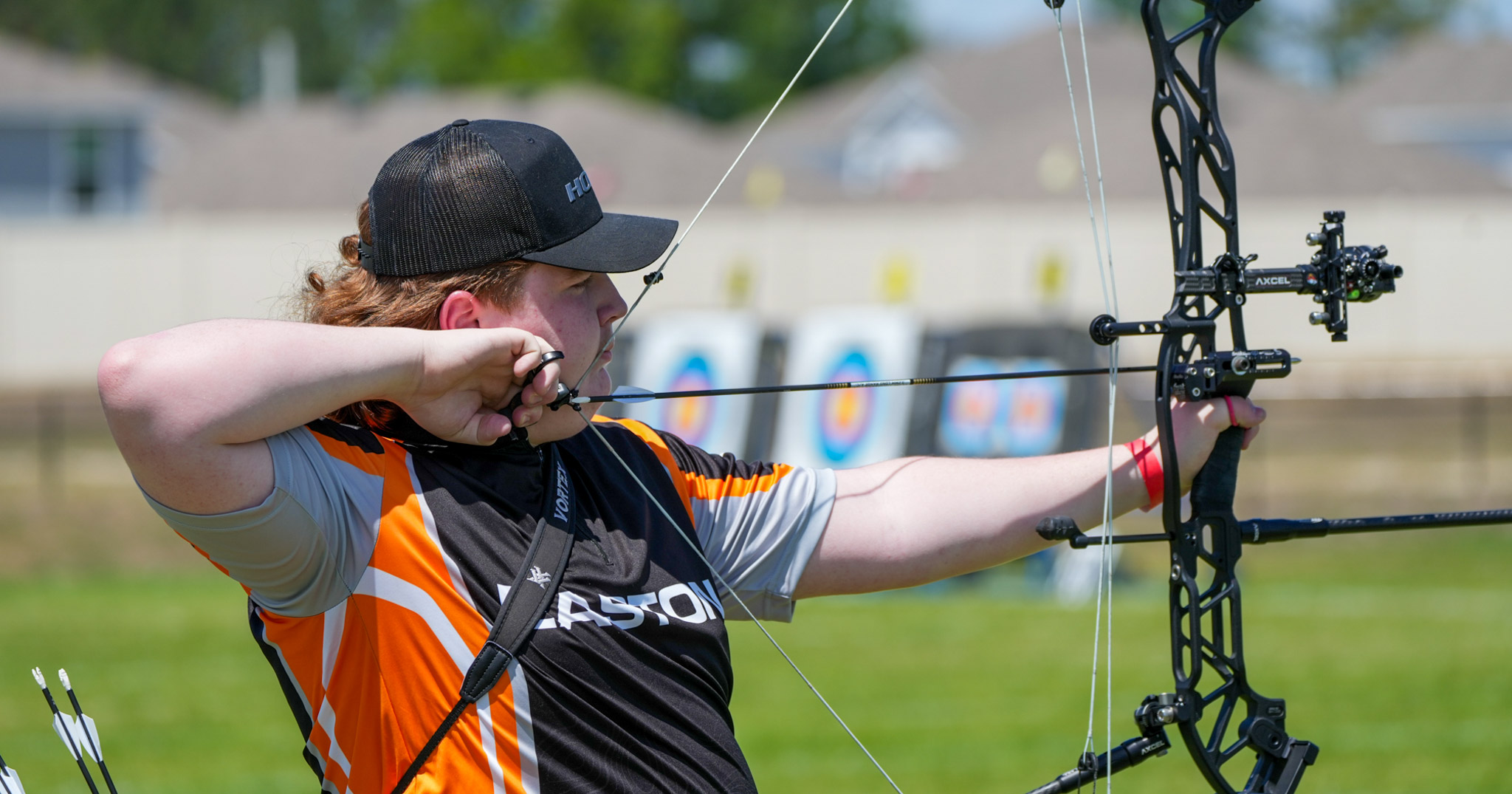
1. Understand How a Multi-Pin Bow Sight Works
A multi-pin bow sight contains several aiming pins arranged inside a housing. Each pin is intended to provide a reference for a distance established during the sighting-in process.
For example, a five-pin sight might be configured with references at 20, 30, 40, 50 and 60 yards. These are illustrative distances only. The correct arrangement depends on the archer’s equipment, shooting ability, intended application and verified setup.
When the archer knows the distance to the target, the corresponding pin is used as the aiming reference. The archer must understand the arrangement and avoid assuming that the pins automatically correspond to standard distances.
Common components of a multi-pin sight
- Sight housing: The frame that holds the pins and defines the aiming window.
- Aiming pins: Individual references configured for established distances.
- Fiber-optic elements: Used in some designs to improve pin visibility.
- Windage adjustment: Allows horizontal positioning adjustments.
- Elevation adjustment: Allows vertical positioning adjustments.
- Mounting bracket: Connects the sight to the bow.
- Level: Some models include a bubble level to help monitor bow alignment.
2. Inspect Your Bow and Sight Before Setup
Before establishing pin references, inspect the bow and sight. A sight cannot provide dependable aiming references if the mounting system is loose, damaged or incompatible with the bow.
Check the mounting hardware
Confirm that the sight is mounted securely and that the hardware is appropriate for the bow and sight model. Follow the manufacturer’s torque recommendations. Do not overtighten screws or make adjustments beyond the manufacturer’s instructions.
Inspect the sight housing and pins
Look for damaged pins, loose components, cracks, worn adjustment hardware or other visible problems. Check that each pin is clearly visible and that no component obstructs its intended position.
Check your arrows and equipment
Use arrows that are appropriate for your bow and follow the bow manufacturer’s requirements. Confirm that your equipment is in good condition before beginning practice.
3. Decide Which Distances Your Pins Will Represent
One of the most important parts of configuring a multi-pin sight is deciding what each pin will represent. Your pin arrangement should reflect the distances you regularly practice and the intended use of the bow.
Some archers prefer evenly spaced distance references, while others may choose a different arrangement based on their setup and needs. There is no universal pin-distance arrangement that is correct for every archer.
Fixed-distance references
Each pin is assigned a particular distance. This provides several established aiming points within the sight housing.
Consider: The distances you regularly practice and your ability to identify the correct pin.
Pin spacing
The distance between pins is influenced by the bow’s setup and the selected distance references. The physical gaps should be established through the actual sighting process.
Consider: Clear visibility, adequate separation and the design limitations of the sight housing.
Example of a five-pin arrangement
| Pin position | Example reference | Purpose |
|---|---|---|
| Top pin | 20 yards | First established distance reference |
| Second pin | 30 yards | Second established distance reference |
| Middle pin | 40 yards | Middle distance reference |
| Fourth pin | 50 yards | Longer established distance reference |
| Bottom pin | 60 yards | Longest example reference |
This table is an example only. It is not a recommended universal setup or a substitute for confirming the actual distances and safe shooting range appropriate to your equipment and skill.
4. Establish Your First Pin Reference
Many archers begin configuring their multi-pin sight by establishing one initial distance reference. The manufacturer’s recommended procedure should determine the exact adjustment process for your particular sight.
In a controlled practice environment:
- Confirm that the range is suitable, safe and appropriate for your equipment and ability.
- Use a consistent shooting position and repeatable form.
- Follow the manufacturer’s sighting-in procedure to establish the initial reference.
- Make adjustments only as instructed for your sight model.
- Repeat your checks to confirm that the reference is consistent rather than relying on a single shot.
Do not rush this process. An unreliable first reference can affect the rest of the pin arrangement.
5. Establish the Remaining Pin References
Once your initial reference has been established, the remaining pins can be configured for the additional distances you have selected.
The process depends on the sight’s adjustment design. Some multi-pin sights provide individual pin adjustments, while other models use different arrangements or adjustment procedures.
For each additional reference:
- Identify the intended distance.
- Use an appropriate and verified distance reference.
- Follow the manufacturer’s instructions for the specific pin adjustment.
- Check the result through repeatable practice.
- Record the established pin arrangement for future reference.
6. Understand Pin Size and Visibility
Pin visibility is an important part of a useful multi-pin setup. The pins should be distinguishable within the sight housing without creating unnecessary visual obstruction.
Common fiber-optic pin diameters include 0.010, 0.019 and 0.029 inches, although available sizes vary by product. A smaller diameter may create a finer aiming reference, while a larger diameter may appear more prominent. The actual appearance also depends on lighting, fiber-optic design and the archer’s vision.
Consider these visibility factors
- Whether individual pins can be distinguished easily.
- Whether the housing feels crowded with the selected pin arrangement.
- How the pins appear in different lighting conditions.
- Whether pin colors help distinguish individual references.
- Whether the selected pin diameter suits your preferred sight picture.
Read our detailed guide on choosing the right bow sight pin size and visibility.
7. Check the Sight Picture and Bow Alignment
Once the pins have been configured, examine the sight picture. A good setup should allow you to identify the intended pin without unnecessary confusion.
Check the following:
- The sight housing is secure.
- The pins are visible and identifiable.
- The pin arrangement matches your recorded distance references.
- The bubble level, if fitted, is visible and functions as intended.
- The sight does not move unexpectedly during normal handling.
- The archer can maintain a consistent shooting position.
Remember that a sight picture is only one part of accurate shooting. Bow alignment, grip, anchor point, release technique and consistent form also matter.
8. Record Your Pin Settings
Keeping a record of your established pin references can help you maintain consistency. It also gives you a useful reference if the sight needs to be inspected, removed or reconfigured.
- Bow make and model: ____________________
- Bow setup details: ____________________
- Arrow configuration: ____________________
- First pin reference: ____________________
- Second pin reference: ____________________
- Third pin reference: ____________________
- Fourth pin reference: ____________________
- Fifth pin reference: ____________________
- Date checked: ____________________
- Notes about changes: ____________________
Keep your records updated if equipment changes affect the established setup. A change to the bow, arrows or other relevant components may require the sight references to be checked again.
9. Common Multi-Pin Bow Sight Setup Mistakes
| Common mistake | Why it matters | What to check |
|---|---|---|
| Assuming standard pin distances | Pin references vary with the equipment setup. | Verify every distance reference. |
| Ignoring pin visibility | Unclear pins can make selection difficult. | Review pin size, color and housing arrangement. |
| Skipping equipment inspection | Loose or damaged components can affect the setup. | Inspect mounting hardware and sight components. |
| Making inconsistent adjustments | Unrecorded changes can create confusion. | Follow manufacturer instructions and document settings. |
| Relying on one shot | A single result may not represent a repeatable setup. | Use consistent practice and repeated checks. |
| Ignoring changes to equipment | Changes may affect previously established references. | Recheck the setup after relevant changes. |
| Overcrowding the sight picture | Too many visual elements can make pin selection harder. | Evaluate the sight configuration and available options. |
10. Maintaining Your Multi-Pin Bow Sight
Regular inspection helps keep your sight in good condition. Dirt, moisture, impacts and normal use can affect components over time.
- Clean the housing using manufacturer-approved methods.
- Inspect pins and fiber-optic elements for visible damage.
- Check mounting hardware according to manufacturer recommendations.
- Protect the sight during transport and storage.
- Avoid forcing adjustment components.
- Have damaged or uncertain components inspected by a qualified technician.
For more detailed maintenance guidance, read how to maintain, clean and protect your bow sight.
11. Multi-Pin Bow Sight Options at Bowsight Inc.
When comparing multi-pin sights, review the number of pins, housing design, mounting requirements, available adjustments and manufacturer specifications.
Apex Gear Magnitude 5-Pin Bow Sight
Explore this five-pin sight option when comparing multi-reference aiming systems.
View Apex Gear Magnitude 5-PinHHA Tetra Max Sight
Review this product’s specifications when comparing alternative sight configurations and adjustment systems.
View HHA Tetra MaxHHA Optimizer Lite X Sight
Compare the listed product details and manufacturer specifications with your preferred sight configuration.
View HHA Optimizer Lite XAxcel AccuTouch Carbon Pro Slider Sight
Explore an adjustable slider-style option for comparison with fixed multi-pin designs.
View Axcel AccuTouch Carbon ProExplore Compound Bow Sights
Compare available bow sight designs and review the specifications before selecting equipment for your setup.
Shop Multi-Pin Bow Sights Shop Compound Bow Sights12. Frequently Asked Questions
How many pins should a multi-pin bow sight have?
Multi-pin sights are available in different configurations. The appropriate number depends on your shooting preferences, intended use, sight picture and the distances you regularly practice.
What distances should I use for a five-pin bow sight?
There is no universal distance arrangement. A five-pin sight may be configured for several established distances, but the correct references should be determined and verified for the individual bow and arrow setup.
Do all pins need to be equally spaced?
No. Physical pin spacing depends on the distance references and the bow’s setup. Equal distance intervals do not necessarily create equal physical spacing between pins.
Can I adjust individual pins on a multi-pin sight?
Many models allow individual pin adjustments, but the adjustment design varies. Consult the manufacturer’s instructions for your particular sight.
Why are my multi-pin sight references inconsistent?
Possible factors include inconsistent shooting form, loose mounting hardware, incorrect distance references, damaged components or changes to the equipment setup. Inspect the equipment and seek qualified assistance if the cause is unclear.
Should I use a bubble level on my multi-pin bow sight?
A bubble level can help an archer monitor bow alignment. It should be installed and used according to the sight manufacturer’s instructions and should not replace consistent shooting technique.
Can I change my pin arrangement later?
Many sights allow configuration changes, but the process depends on the model. Any changed reference should be re-established and checked through appropriate practice.
How often should I check my multi-pin bow sight?
Inspect it regularly and whenever it experiences an impact, is removed or reinstalled, or undergoes a relevant equipment change. Follow the manufacturer’s maintenance schedule.
13. Independent Archery Education Resources
For additional guidance about archery training, equipment and organized shooting, explore these independent organizations:
- USA Archery – Archery education, training and program information.
- World Archery – International archery and competition information.
- International Field Archery Association – Coaching and educational resources.
14. Final Thoughts
Setting up a multi-pin bow sight involves more than arranging several pins inside a housing. Each pin needs a verified distance reference, the sight must be compatible with the bow, and the complete setup should provide a clear and repeatable aiming picture.
Take time to inspect your equipment, establish each reference using the manufacturer’s recommended process, record your settings and practice consistently. Avoid assuming that example pin distances or spacing will automatically work for your equipment.
With a properly configured sight and consistent practice, a multi-pin system can provide useful aiming references for different established distances.
Find Your Bow Sight at Bowsight Inc.
Explore our range of compound bow sights and archery equipment.
Browse All Products Contact Our TeamEducational disclaimer: This article provides general equipment information. Always follow the bow and sight manufacturer’s instructions, observe safe archery practices and seek qualified assistance when equipment inspection or adjustment is beyond your experience.
