
Blog Article
How to Choose a Bow Sight for Different Conditions
How to Choose a Bow Sight for Different Lighting Conditions
Learn how lighting affects bow sight visibility, compare pin options, understand fiber-optic systems and choose sight features that support a clear and consistent aiming picture.
Lighting conditions can influence how clearly an archer sees a bow sight pin and identifies the target. A sight that looks easy to use in bright daylight may appear different in shaded surroundings, overcast weather or changing natural light.
When choosing a bow sight, it is worth considering more than the number of pins or the adjustment mechanism. Pin visibility, fiber-optic design, pin color, housing size and the archer’s ability to distinguish the aiming reference can all influence the overall sight picture.
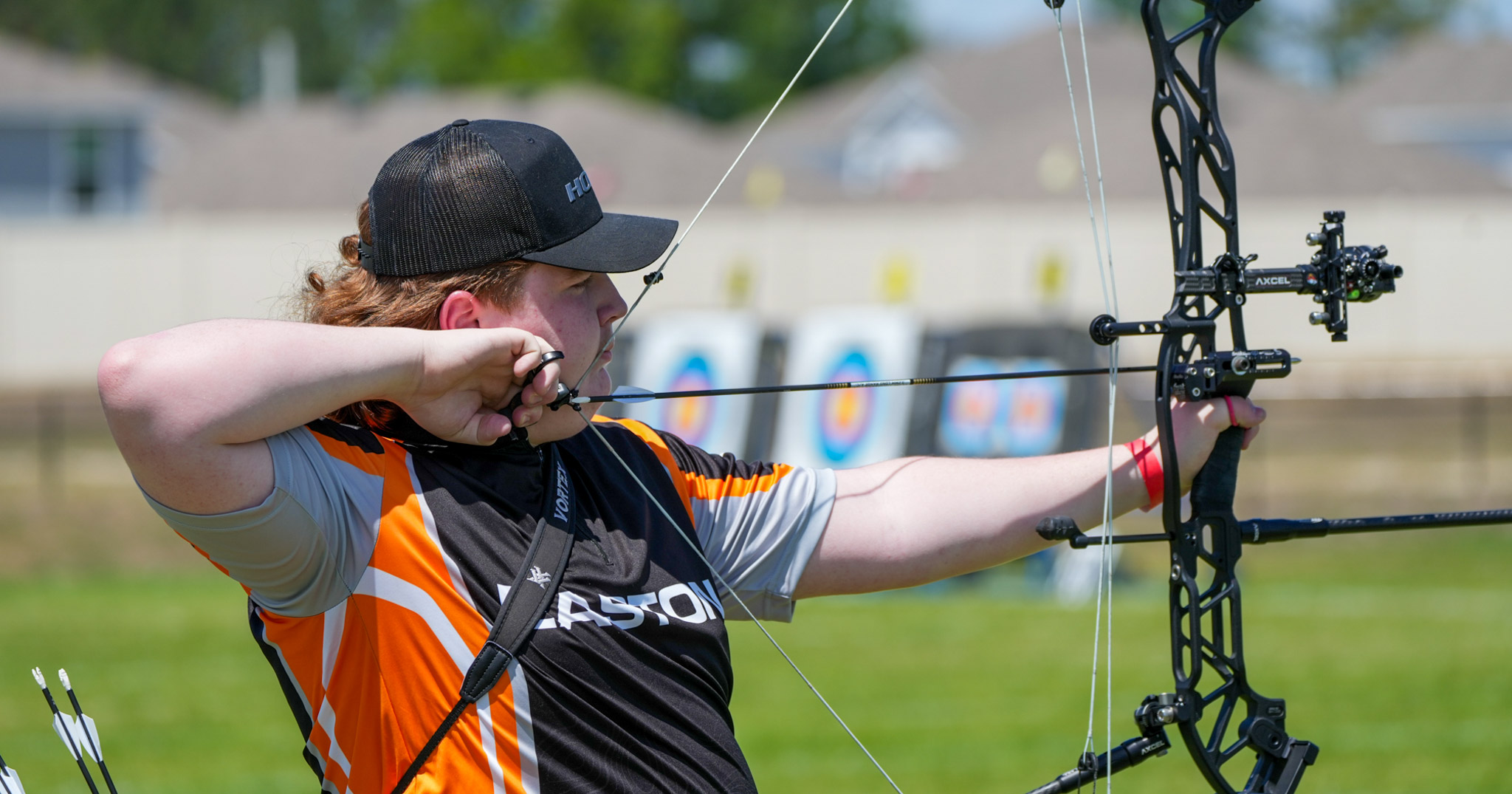
1. Why Lighting Matters When Choosing a Bow Sight
A bow sight provides an aiming reference that the archer uses when aligning the bow with a target. For that reference to be useful, the archer must be able to see it clearly.
Lighting can change the appearance of pins and fiber-optic elements. Bright sunlight, shade, cloud cover and changing outdoor conditions may all affect how the sight picture looks.
Other factors also contribute to visibility, including:
- Pin diameter and color.
- Fiber-optic material and design.
- Sight housing size and configuration.
- The background behind the target.
- The archer’s vision and visual preferences.
- The quality and condition of the sight components.
2. Understanding Different Lighting Conditions
Bright sunlight
Strong sunlight can make some aiming references appear very prominent. Depending on the pin and background, excessive brightness may make the sight picture uncomfortable or distracting.
Consider: Pin visibility, glare and how easily individual pins can be distinguished.
Overcast conditions
Cloud cover changes the available light and can alter how fiber-optic pins appear compared with bright direct sunlight.
Consider: Whether the aiming reference remains clear without relying on overly bright illumination.
Shaded environments
Shade can reduce the amount of light reaching the sight and surrounding target area. Pin visibility may therefore feel different from an open, brightly lit range.
Consider: Pin color, diameter and the contrast between the aiming reference and the target background.
Changing natural light
Outdoor lighting can change as clouds move or as the sun’s position changes. A sight picture that looks clear at one moment may appear different later.
Consider: Testing your equipment in appropriate conditions rather than relying on one lighting environment.
3. How Fiber-Optic Bow Sight Pins Work
Many bow sights use fiber-optic elements to help make aiming pins visible. Fiber-optic material collects available light and transmits it along the fiber, making the pin easier to identify under suitable lighting conditions.
The amount of visible brightness depends on the design of the sight, the fiber-optic material, the available light and the surrounding environment.
Potential benefits of fiber-optic pins
- They can make aiming references easier to distinguish.
- They are available in different colors and configurations.
- They can be incorporated into different fixed-pin sight designs.
- They offer a recognizable aiming reference within the housing.
Important limitations
Fiber-optic pins depend on available light unless the sight incorporates an additional illumination system. A fiber-optic pin should not be assumed to provide the same visibility in every lighting condition.
Also, excessive brightness can be distracting for some archers. The preferred appearance is a clear and comfortable reference, not simply the brightest possible pin.
4. Choosing the Right Pin Diameter
Pin diameter influences the appearance of the aiming reference. Common fiber-optic pin sizes include 0.010, 0.019 and 0.029 inches, although the available options depend on the manufacturer and model.
| Example pin diameter | General appearance | What to consider |
|---|---|---|
| 0.010 inch | Fine, narrow aiming reference. | Whether the smaller reference is easy for you to identify in your usual conditions. |
| 0.019 inch | Intermediate pin diameter. | Whether it provides a comfortable balance between visibility and a defined aiming point. |
| 0.029 inch | Larger, more prominent reference. | Whether the pin remains distinguishable without taking up too much of the sight picture. |
These are general descriptions rather than performance guarantees. Actual visibility depends on the sight design, lighting, color, fiber-optic construction and individual preference.
For more information, read our guide to choosing the right bow sight pin size and visibility.
5. Does Bow Sight Pin Color Matter?
Many bow sights offer pins in different colors. Color can help distinguish one pin from another, especially in a multi-pin housing.
However, there is no single pin color that is best for every archer or every environment. The way a color appears depends on the background, available light and the individual’s visual preferences.
What to consider when selecting pin colors
- Whether you can distinguish each pin from the others.
- How the color appears against common target backgrounds.
- Whether the color remains comfortable to view in bright conditions.
- Whether the pin arrangement is easy to remember.
- Whether the manufacturer offers compatible replacement pins.
When comparing different pin colors, evaluate them in a safe practice environment and use the same sight setup you intend to use regularly.
6. Fixed-Pin vs. Adjustable Sights in Different Lighting Conditions
Both fixed-pin and adjustable sights can be used in different lighting environments. The important consideration is how the specific aiming reference performs for the archer.
Fixed-pin sights
Multiple pins provide several established aiming references within the housing. Pin spacing, color and visibility are important when comparing these designs.
Consider: Whether all pins can be distinguished clearly in your usual practice conditions.
Adjustable sights
Adjustable systems allow the archer to reposition an aiming reference or housing according to the sight design.
Consider: The visibility of the aiming reference, adjustment mechanism and any included illumination features.
The choice should not be based on lighting alone. Consider the type of shooting you do, the distances you practice, your preferred sight picture and the manufacturer’s specifications.
Read our comparison of fixed-pin vs. adjustable bow sights for more information.
7. Understanding Sight Lights and Illumination
Some bow sight designs support an illumination accessory or include a lighting feature. These systems are intended to improve the visibility of certain aiming components when used under their specified conditions.
Before purchasing or using an illumination accessory, consider:
- Whether the sight model supports the accessory.
- Whether the manufacturer specifies a compatible light.
- How the illumination affects the appearance of the pin.
- Whether the accessory is suitable for your intended use.
- Any applicable hunting, competition or equipment regulations.
8. Housing Design and Its Effect on Visibility
The housing surrounds the aiming area and can influence how the archer views the pins and target. Housing dimensions, pin arrangement and internal components all contribute to the overall sight picture.
When comparing housing designs, consider:
- Whether the housing feels too crowded with multiple pins.
- Whether the aiming reference is easy to locate.
- Whether the housing obstructs more of the target view than you prefer.
- Whether the housing supports your preferred pin configuration.
- Whether the design is compatible with the bow and other sight components.
For a deeper explanation, read What Is a Bow Sight Housing and How Does It Work?.
9. How to Evaluate a Bow Sight Before Buying
Product specifications are important, but it is also useful to understand how the sight looks and feels in a suitable practice environment.
- Review the pin configuration. Check the number of pins and available diameter options.
- Check the color options. Determine whether the available colors suit your preferences.
- Understand the fiber-optic design. Review the manufacturer’s information about the pin system.
- Inspect the housing. Consider the viewing area and pin arrangement.
- Check illumination compatibility. Confirm whether a light is included or supported.
- Review mounting requirements. Make sure the sight is compatible with your bow.
- Consider your regular environment. Think about the lighting conditions in which you usually practice.
10. Common Bow Sight Visibility Problems
| Problem | Possible explanation | What to check |
|---|---|---|
| Pin appears too bright | Strong available light or an illumination setting. | Review the sight’s lighting features and manufacturer guidance. |
| Pin is difficult to see in shade | Reduced available light or unsuitable pin visibility for the conditions. | Inspect the fiber-optic system and compare compatible pin options. |
| Pins are difficult to distinguish | Similar colors, crowded housing or unsuitable pin arrangement. | Review pin color, diameter and spacing. |
| Fiber-optic element is damaged | Impact, wear or improper handling. | Follow manufacturer replacement instructions. |
| Sight picture looks inconsistent | Changing light, inconsistent viewing position or equipment issues. | Check the environment, sight condition and shooting routine. |
| Housing obstructs the view | Housing size or design preference. | Compare compatible housing options and specifications. |
11. Maintaining Fiber-Optic Pins and Sight Components
Regular inspection helps keep your bow sight in good condition and makes it easier to identify visibility problems.
- Inspect fiber-optic elements for damage.
- Keep the housing clean using manufacturer-approved methods.
- Check pins for movement or visible wear.
- Inspect illumination accessories where fitted.
- Protect the sight from impacts during transportation.
- Avoid harsh chemicals or abrasive materials unless approved.
- Replace damaged components using compatible manufacturer-approved parts.
For more equipment care advice, read How to Maintain, Clean and Protect Your Bow Sight.
12. Bow Sight Options at Bowsight Inc.
Explore these bow sight options and review their product specifications to compare configurations and features. Confirm pin colors, diameters, illumination compatibility and included components directly from the product documentation before purchasing.
Apex Gear Magnitude 5-Pin Bow Sight
Explore this five-pin option when comparing multi-pin configurations and aiming references.
View Apex Gear Magnitude 5-PinAxcel AccuTouch Carbon Pro Slider Sight
Review this adjustable sight option and compare its listed scope and sight configuration details.
View Axcel AccuTouch Carbon ProHHA Tetra Max Sight
Explore this sight and review the manufacturer’s specifications when comparing adjustable sight designs.
View HHA Tetra MaxHHA Optimizer Lite X Sight
Compare its published product details with your preferred aiming and sight configuration.
View HHA Optimizer Lite XExplore Bow Sights at Bowsight Inc.
Compare available compound bow sights and review the features that matter to your equipment setup.
Shop All Bow Sights Compound Bow Sights13. Frequently Asked Questions
Does lighting affect bow sight accuracy?
Lighting can affect how clearly an archer sees the aiming reference. It does not independently determine accuracy, but poor visibility can make it more difficult to use the sight consistently.
Are fiber-optic bow sight pins better?
Fiber-optic pins can provide a visible aiming reference by collecting available light. Whether they are preferable depends on the sight design, lighting conditions and individual preference.
What bow sight pin size is easiest to see?
There is no universal answer. Larger pins may appear more prominent, while smaller pins provide a finer reference. The best choice depends on visibility, sight picture and personal preference.
Which pin color is best for outdoor archery?
No single color is best for everyone. Compare available colors in appropriate practice conditions and choose a configuration that lets you distinguish your aiming references comfortably.
Can I use a bow sight light in low-light conditions?
Some sights support illumination accessories, but compatibility and permitted use depend on the sight model and applicable rules. Follow the manufacturer’s instructions and relevant regulations.
Why does my fiber-optic pin look different in bright sunlight?
Available light can change the appearance and brightness of a fiber-optic element. The result depends on the pin design, color, surrounding light and background.
Can I replace the fiber-optic material in my bow sight?
Replacement options depend on the sight design. Consult the manufacturer or an authorized service provider for compatible parts and repair instructions.
Should I choose a single-pin or multi-pin sight for changing light?
Lighting alone should not determine the choice. Consider pin visibility, the sight picture, distance preferences, adjustment requirements and the specific features of each model.
14. Independent Archery Education Resources
For additional information about archery equipment, training and organized shooting, explore:
- USA Archery – Archery education and training information.
- World Archery – International archery information and competition resources.
- International Field Archery Association – Coaching and educational resources.
15. Final Thoughts
Lighting conditions are worth considering when choosing a bow sight because they can influence how clearly you see the aiming reference. Fiber-optic pins, pin diameter, color, housing design and compatible illumination features all contribute to the overall sight picture.
Rather than choosing a sight based only on brightness or appearance, consider the environments in which you normally practice and evaluate the complete sight configuration.
Review manufacturer specifications, inspect your equipment regularly and practice with your chosen setup in appropriate conditions. A clear, comfortable and consistent sight picture is an important part of a dependable archery setup.
Find Your Next Bow Sight
Explore compound bow sights, slider sights and archery equipment at Bowsight Inc.
Browse All Products Contact Bowsight Inc.Educational disclaimer: This article provides general equipment information. Always follow manufacturer instructions for installation, operation and maintenance. Observe applicable hunting and competition regulations when selecting or using illuminated equipment.
