
Blog Article
How to Improve Bow Sight Accuracy and Shooting Consistency
How to Improve Bow Sight Accuracy and Shooting Consistency
Discover how sight setup, consistent shooting form, equipment inspection and structured practice can help improve your compound bow shooting experience.
Improving bow sight accuracy involves more than adjusting pins or moving a sight housing. A consistent shooting experience depends on several factors working together, including equipment condition, sight configuration, shooting technique and the ability to repeat the same process from one shot to another.
Even a properly installed bow sight cannot compensate for inconsistent shooting form or incorrect equipment settings. Likewise, good technique can be difficult to evaluate when the sight is loose, damaged or incorrectly configured.
This guide explores practical considerations that can help archers develop a more consistent setup, understand common accuracy problems and make better use of their bow sight.
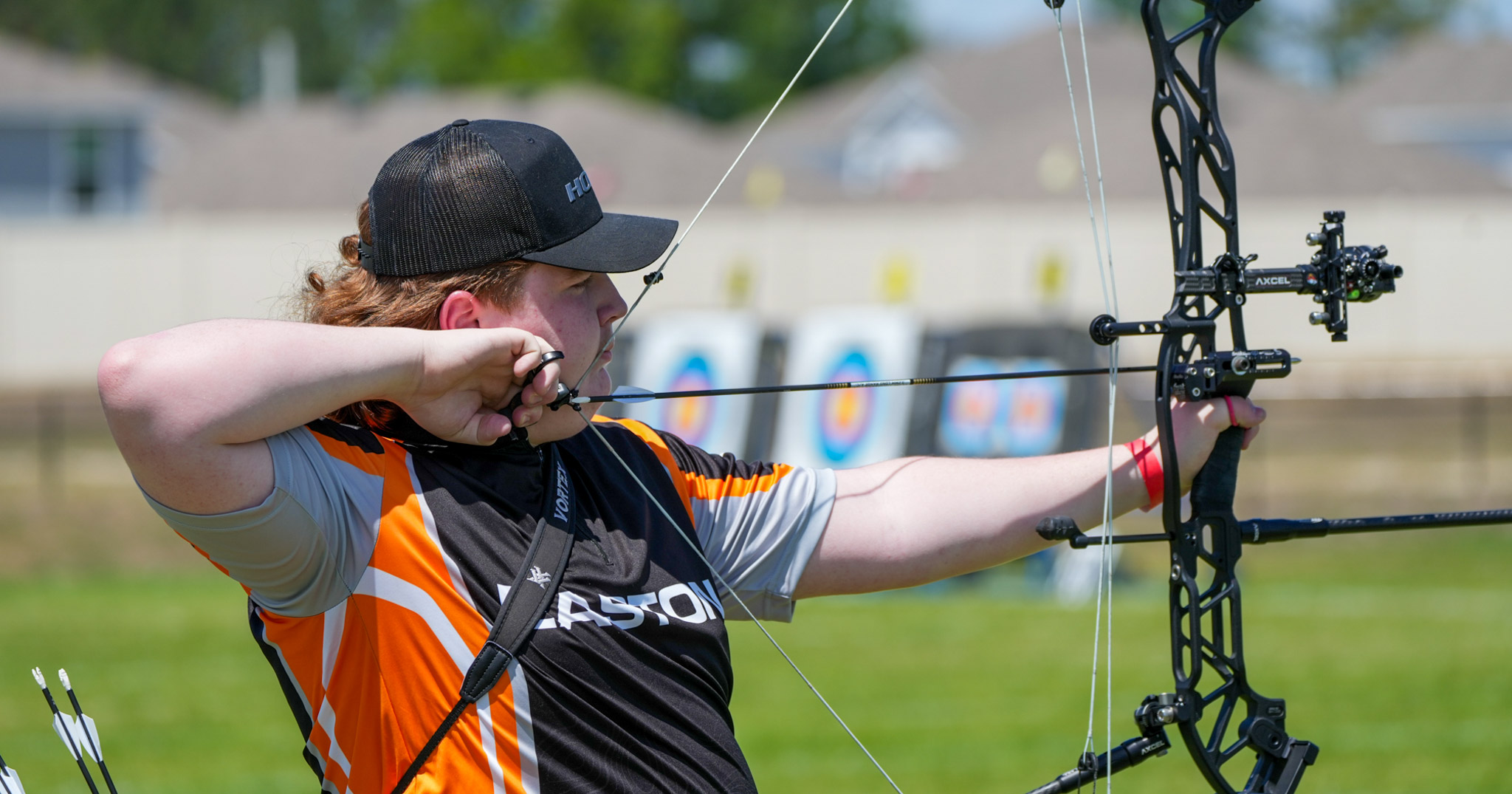
1. Understand What Bow Sight Accuracy Means
Bow sight accuracy refers to how effectively the sight provides an aiming reference that corresponds with the intended target and established equipment settings.
It is closely related to shooting consistency, but the two concepts are not identical.
Accuracy
How closely the result of a shot corresponds with the intended point of impact under the conditions of the shooting session.
Consistency
How repeatably an archer can perform the same shooting process and produce similar results over multiple shots.
A useful starting point is to evaluate both your equipment and your technique. If your shooting results vary, determine whether the cause may be related to the sight, bow setup, arrows or shooting routine before making adjustments.
2. Start With a Properly Installed Bow Sight
A stable sight installation is an important foundation for a consistent setup. If the mounting bracket moves or the adjustment mechanism does not hold its position, the aiming reference may become unreliable.
Inspect the mounting assembly
- Check the mounting bracket for visible damage.
- Look for missing or damaged fasteners.
- Confirm that the sight is compatible with the bow.
- Check the installation against the manufacturer’s instructions.
- Look for unwanted movement in the sight assembly.
Check the sight housing
Inspect the housing for cracks, distortion or loose components. A damaged housing should be assessed before the bow is used.
Review the adjustment controls
Windage, elevation and slider mechanisms should operate according to the manufacturer’s instructions. Avoid forcing controls that feel stiff or obstructed.
For a more detailed explanation, read How to Install a Compound Bow Sight Correctly.
3. Choose a Sight Configuration That Suits Your Shooting Style
Different bow sight configurations provide different ways to establish an aiming reference. Selecting a system that you understand and can operate comfortably can make your shooting routine easier to manage.
Single-Pin Bow Sights
Single-pin sights use one primary aiming reference. Some models include a movable slider that allows the sight position to be changed for different distances.
Explore Single-Pin SightsMulti-Pin Bow Sights
Multi-pin sights provide several aiming references in one housing. The individual pins are configured for different distances according to the equipment setup.
Explore Multi-Pin SightsSlider Bow Sights
Slider sights use a movable adjustment system. Their operation may involve a distance scale or sight tape, depending on the model.
Explore Slider SightsCompound Bow Sights
Compare different housing, pin and adjustment configurations to identify a sight suitable for your compound bow.
Explore Compound Bow SightsRead our guide to single-pin versus multi-pin bow sights for a more detailed comparison.
4. Establish a Consistent Shooting Routine
One of the most important parts of shooting consistency is repeating a familiar and controlled routine. Changes in posture, anchor point or bow handling can make it difficult to evaluate sight performance.
Maintain a repeatable stance
Develop a comfortable and stable stance that you can reproduce during practice. Avoid unnecessary changes in foot placement or body position between shots.
Use a consistent anchor point
An anchor point is a repeatable reference position used when drawing and holding the bow. Maintaining a consistent anchor can help reduce variation in the shooting process.
Keep head position consistent
Changes in head position can alter the way you view the sight housing and aiming reference. Follow appropriate coaching guidance to establish a comfortable and repeatable position.
Use a consistent bow grip
Unnecessary changes in grip pressure or hand placement can introduce variation. Practise maintaining a comfortable, repeatable grip in accordance with your coaching and equipment guidance.
Develop a controlled release routine
Work on a consistent release process with guidance from a qualified archery coach. Avoid making sudden changes to your technique in an attempt to correct every individual shot.
5. Understand Your Bow Sight Pins
The size, color and arrangement of sight pins can influence how clearly you see the aiming reference. A pin that is difficult to distinguish may make it harder to maintain a comfortable sight picture.
Pin diameter
Bow sight pins are available in different diameters. Smaller pins may provide a finer aiming reference, while larger pins may appear more prominent. The preferred size depends on eyesight, lighting and personal preference.
Pin color
Different colors may be easier to distinguish against different backgrounds. Consider how the pins appear in the lighting conditions where you normally practise.
Pin spacing
Multi-pin sights require enough visual separation for the archer to identify the intended aiming reference. Review the housing and pin arrangement when comparing models.
Fiber-optic visibility
Some sights use fiber-optic material to collect available light and make the pin more visible. Inspect the fiber for damage and follow manufacturer guidance regarding illumination accessories.
Learn more in our guide to choosing the right bow sight pin size and visibility.
6. Understand Windage and Elevation Adjustments
Windage and elevation are adjustment directions used by many bow sight systems. Understanding how your particular model handles these adjustments is important when establishing and checking sight settings.
Windage
Windage refers to horizontal sight adjustment. The adjustment mechanism changes the sight’s horizontal position according to the manufacturer’s design.
Elevation
Elevation refers to vertical sight adjustment. Different sight models use different mechanisms for changing the vertical position of the aiming reference.
Do not assume that adjustment directions or indicator markings are identical across all sight models. Consult your product manual before changing settings.
For a step-by-step overview of the sighting-in process, read How to Adjust and Sight In a Compound Bow.
7. Understand Distance and Yardage Settings
Distance references help an archer select the appropriate aiming position for a particular shooting distance. The method depends on whether the sight uses fixed pins or an adjustable slider system.
Fixed-pin distance references
Each pin on a multi-pin sight can be configured as a reference for a particular distance. The settings should be established for the individual bow and equipment configuration.
Adjustable distance references
Some slider sights use a marked scale or sight tape to identify adjustment positions. The tape must be appropriate for the specific sight and equipment setup.
Verify your distance settings
Follow the manufacturer’s procedure for establishing and checking distance references. Do not copy another archer’s sight settings or rely on an unverified tape.
Read more in our articles on understanding bow sight yardage and reading and using bow sight tapes.
8. Inspect Your Arrows and Other Equipment
A bow sight is only one part of the overall shooting system. Other equipment issues can affect shooting results and make it difficult to assess whether the sight is configured correctly.
Arrow condition
Inspect arrows for visible damage and follow the manufacturer’s guidance for checking shafts, nocks and other components. Never shoot an arrow that appears damaged or unsafe.
Bow condition
Check the bow according to the manufacturer’s maintenance instructions. If you notice unusual noises, damage or changes in operation, have it inspected by a qualified technician.
Accessories and mounting components
Check that compatible accessories are installed correctly and do not interfere with the bow or sight. Follow the relevant product instructions.
Regular sight inspection
Inspect the sight housing, pins, mounting bracket and adjustment mechanisms before shooting sessions.
9. Common Problems That Can Affect Bow Sight Accuracy
When shooting results are inconsistent, it can be helpful to identify possible equipment and technique-related causes before making adjustments.
| Observed Problem | Possible Cause | What to Review |
|---|---|---|
| Sight appears to move | Loose or damaged mounting components | Inspect the mounting assembly and manufacturer specifications |
| Pin is difficult to see | Lighting, pin condition or visual preference | Check pin visibility, fiber and lighting conditions |
| Distance references seem incorrect | Incorrect settings or unmatched sight tape | Review the manufacturer’s calibration procedure |
| Sight adjustments feel stiff | Obstruction or mechanical damage | Inspect the mechanism without forcing it |
| Shooting results vary | Changes in technique or equipment setup | Review shooting consistency and equipment condition |
| Pin arrangement is difficult to follow | Pin spacing or visibility preferences | Review the sight configuration and pin selection |
For additional troubleshooting guidance, read Common Bow Sight Problems and How to Troubleshoot Them.
10. Develop a Structured Archery Practice Routine
Regular practice can help you identify inconsistencies and become more familiar with your equipment. A structured routine makes it easier to evaluate changes without repeatedly altering the sight.
Begin with an equipment check
Inspect the bow, sight, arrows and accessories before beginning. Confirm that everything is in suitable condition and configured according to the manufacturer’s instructions.
Use a consistent warm-up
Start with a comfortable practice routine at an appropriate distance. Focus on repeatable technique rather than immediately making sight adjustments.
Record observations
Keep notes about equipment changes, shooting conditions and practice observations. This can help you identify patterns over time.
Change one variable at a time
If you need to investigate an equipment issue, avoid making several unrelated adjustments simultaneously. Follow the manufacturer’s procedure and evaluate changes in a controlled environment.
Ask for coaching feedback
A qualified archery coach can help identify technique-related inconsistencies that may not be obvious to the archer.
11. A Simple Bow Sight Consistency Checklist
Use this checklist as a general reminder when reviewing your equipment and shooting routine.
- Confirm the sight is compatible with the bow.
- Inspect mounting hardware and the sight housing.
- Check pins and fiber-optic components for damage.
- Review windage and elevation adjustment operation.
- Confirm distance references using the manufacturer’s procedure.
- Inspect arrows and other equipment before shooting.
- Maintain a repeatable stance and anchor point.
- Practise in a safe, suitable archery environment.
- Seek professional assistance if equipment appears damaged or unstable.
12. Bow Sights Available at Bowsight Inc.
Bowsight Inc. offers different sight configurations for archers comparing fixed-pin and adjustable systems. Review the specifications of each model to understand its mounting requirements, pin arrangement and adjustment features.
Axcel AccuTouch Carbon Pro Slider Sight
Explore this adjustable slider sight when comparing movable sight systems and their adjustment features.
View ProductHHA Tetra Max Sight
Review this sight’s product information when comparing adjustable bow sight configurations.
View ProductHHA Optimizer Lite X
Compare this model with other adjustable sight options and review its manufacturer-documented features.
View ProductApex Gear Magnitude 5-Pin
Explore a multi-pin configuration when comparing fixed aiming references and sight housing arrangements.
View ProductExplore Bow Sights at Bowsight Inc.
Compare different sight configurations and review product specifications before selecting equipment for your compound bow setup.
Shop Bow Sights Contact Bowsight Inc.13. Frequently Asked Questions
How can I improve bow sight accuracy?
Start with a stable, correctly installed sight and verified distance references. Combine equipment checks with consistent shooting form and structured practice.
Why are my bow sight results inconsistent?
Possible causes include changes in shooting technique, equipment condition, sight stability or distance settings. Review these factors before making adjustments.
Does a more expensive bow sight automatically improve accuracy?
No. A sight’s price does not guarantee improved shooting results. Compatibility, correct setup, suitable features and consistent technique all matter.
Should I use a single-pin or multi-pin sight?
The choice depends on your preferences and intended application. Single-pin sights provide one primary aiming reference, while multi-pin sights offer several configured references.
Can a loose bow sight affect shooting consistency?
Yes. A sight that moves or does not hold its settings may provide an unreliable aiming reference. Stop shooting if the assembly is unstable and have it checked.
How often should I check my bow sight?
Inspect it before shooting sessions and after transportation or impact. Follow the manufacturer’s recommended maintenance schedule.
Do sight pins affect accuracy?
Pin size, visibility, color and spacing can influence how comfortably an archer sees and selects an aiming reference. The best configuration depends on the individual.
Can changing arrows affect my sight settings?
Changes in arrow configuration may affect the equipment setup used to establish sight references. Follow the sight manufacturer’s instructions to determine whether settings need to be checked again.
Should I adjust my sight after every inconsistent shot?
No. First evaluate shooting technique, equipment condition and whether the sight remains correctly configured. Avoid making unnecessary adjustments based on a single shot.
14. Independent Archery Resources
For further information about archery education, equipment and training, consult established organizations.
Helpful Educational Resources
- USA Archery – Archery education, coaching and training resources.
- World Archery – International archery information, rules and competition resources.
- International Field Archery Association – Coaching and educational resources.
Final Thoughts
Improving bow sight accuracy and shooting consistency requires attention to both equipment and technique. A stable sight installation, appropriate pin configuration, verified distance references and regular equipment inspections provide a useful foundation.
Developing a repeatable shooting routine and seeking qualified coaching can also help identify inconsistencies that equipment adjustments alone may not resolve.
Continue learning with our guides on sighting in a compound bow, troubleshooting bow sight problems and maintaining and protecting your bow sight.
Visit Bowsight Inc. to explore bow sights and archery equipment for your setup.
